OpBuddy
BACK
Module 2 ยท Topic

๐Ÿฅ—Nutrition Before Surgery

Good nutrition supports wound healing, muscle recovery and immunity. Aim for a balanced diet with adequate protein in the weeks before your operation.

Nutrition Before Surgery

Protein, vitamins and minerals

Include a source of protein at each meal โ€” lean meat, fish, eggs, dairy, beans or pulses.

Vitamin C, vitamin D, zinc and iron all play a role in healing. A varied diet with plenty of vegetables and fruit usually provides these.

Hydration

Stay well hydrated in the days before surgery unless otherwise advised.

Reduce alcohol intake โ€” ideally avoid alcohol completely for at least 48 hours before your operation.

In-depth guide
Eating well before surgery

Fuel Your Recovery Before Surgery

What you eat in the weeks before your knee replacement can influence your recovery. Eating a balanced diet helps support your immune system, maintain muscle strength and provide the nutrients your body needs for healing after surgery.

Start improving your nutrition today
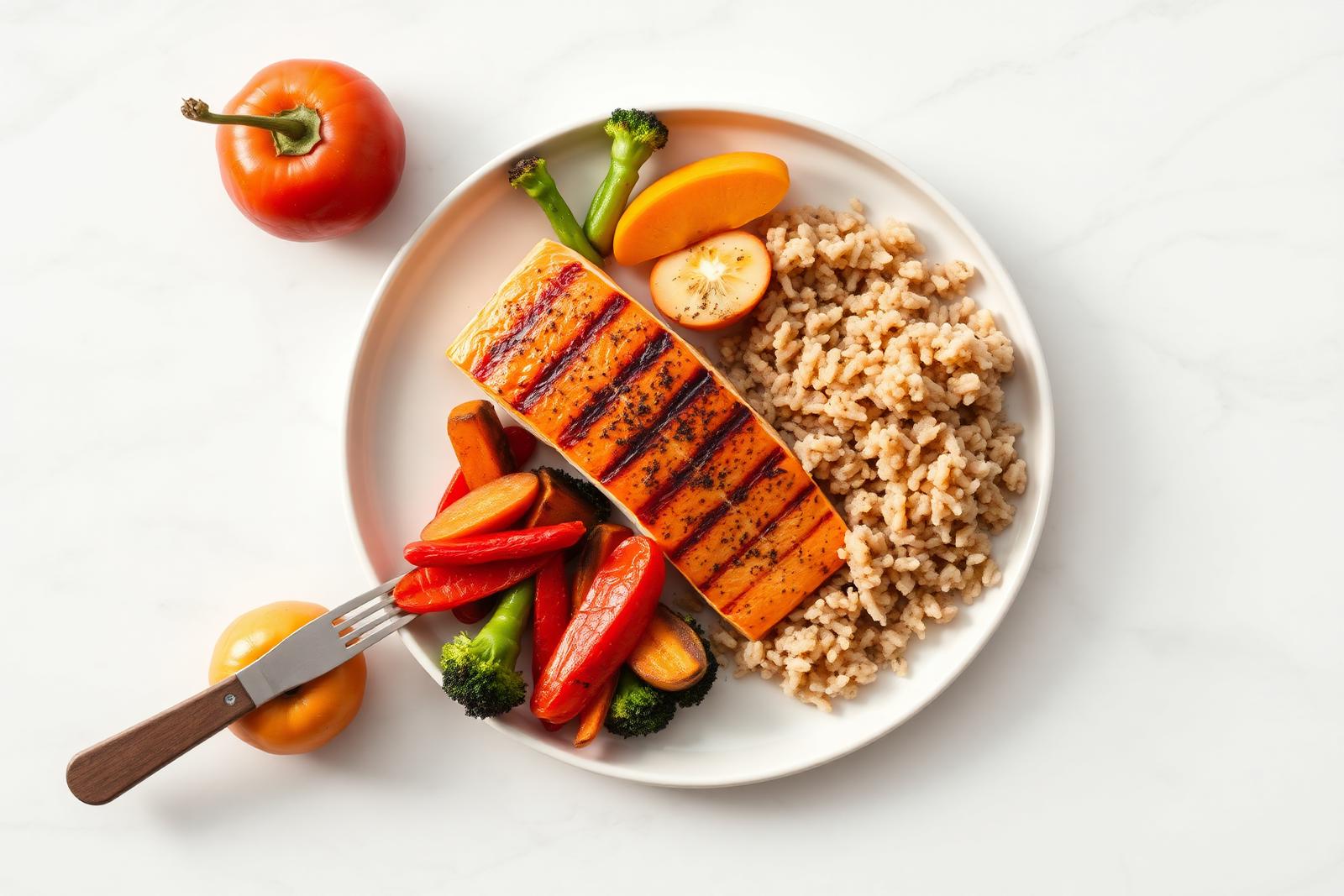
Healthy dinner plate with grilled salmon, colorful vegetables, brown rice and fresh fruit
Why nutrition matters

Small changes, meaningful results

Good nutrition in the weeks before surgery supports every part of your recovery.

Better wound healing

Eating enough protein, vitamins and minerals helps your body repair tissues after surgery.

Lower infection risk

Good nutrition supports your immune system, helping your body fight infection.

Stronger muscles

Maintaining muscle strength before surgery makes rehabilitation easier afterwards.

Faster recovery

Patients who are well nourished often recover strength and mobility more effectively.

The five foundations

The Five Foundations of Good Nutrition

Five simple habits, backed by evidence, that fuel a smoother recovery.

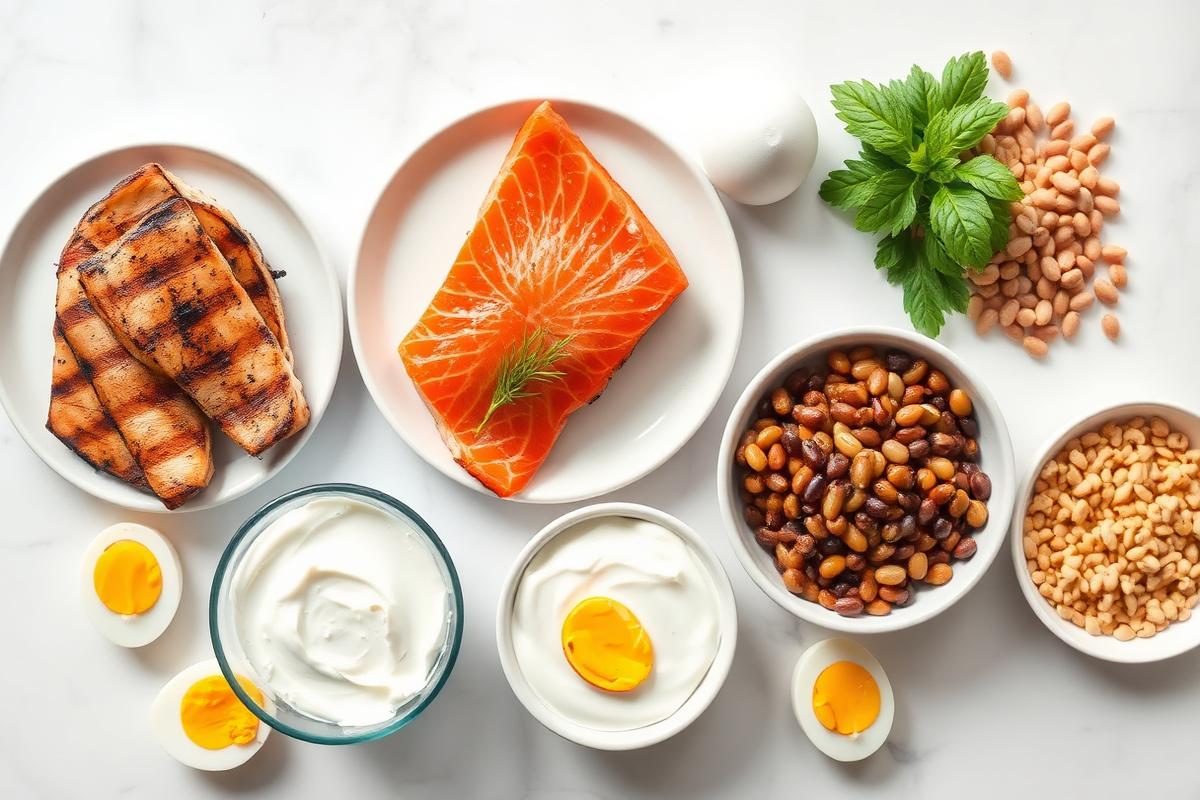
Chicken, fish, eggs, yoghurt and beans on a marble surface
1

Eat Plenty of Protein

Protein provides the building blocks your body needs to repair muscles, skin and soft tissues after surgery. Aim to include a source of protein with every meal.

  • Chicken
  • Fish
  • Eggs
  • Greek yoghurt
  • Cottage cheese
  • Lentils
  • Beans
  • Tofu
  • Lean beef

Protein is one of the most important nutrients for healing after surgery.
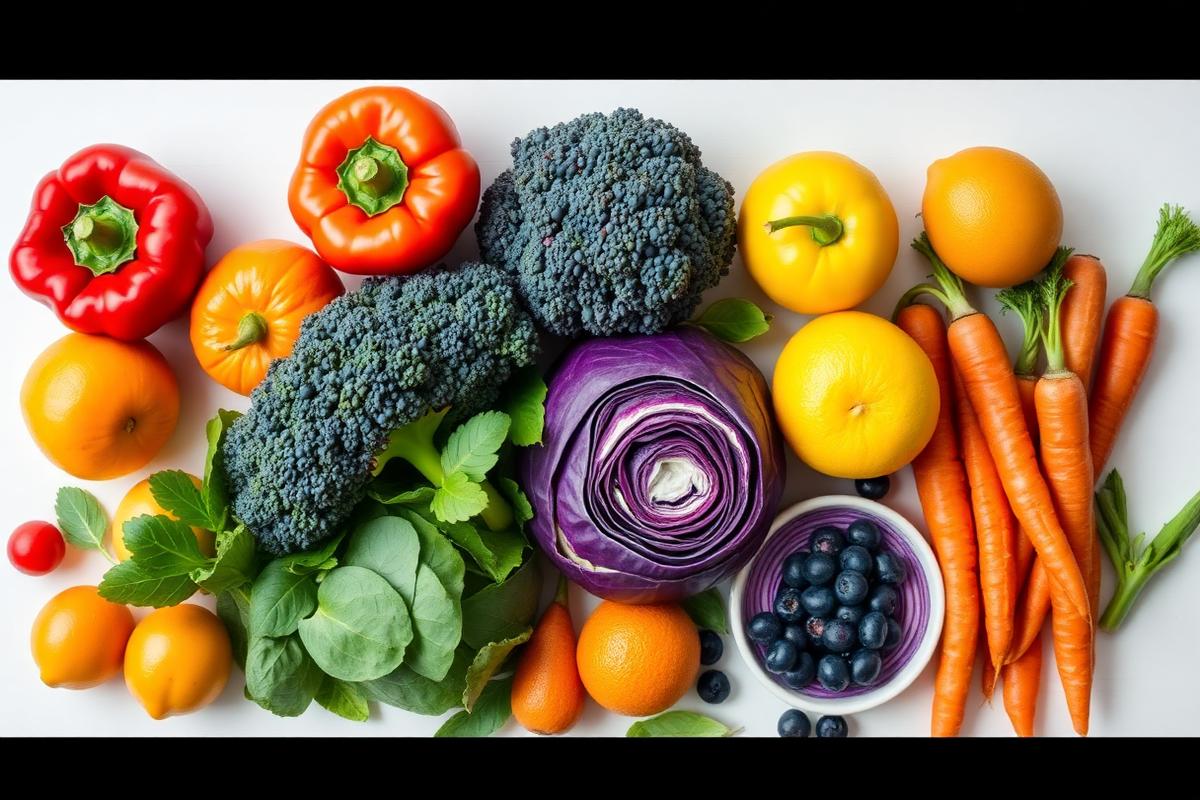
Vibrant colorful fruits and vegetables
2

Eat More Fruit and Vegetables

Fruit and vegetables provide vitamins, minerals and antioxidants that support wound healing and immune function. Aim for at least five portions every day โ€” the more colour and variety, the better.

Try to include lots of different colours
  • Green
  • Orange
  • Red
  • Purple
  • Yellow
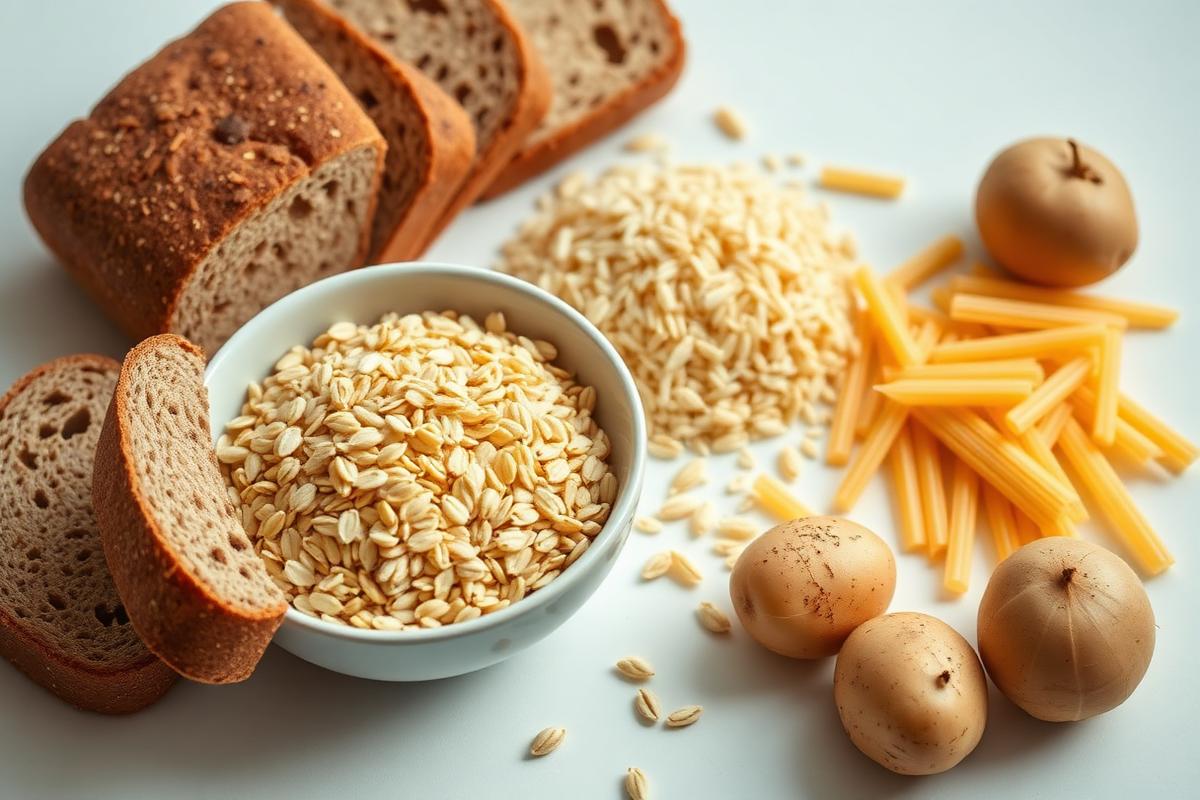
Wholegrain bread, oats, brown rice, wholemeal pasta and potatoes
3

Choose Healthy Carbohydrates

Carbohydrates provide the energy your body needs to recover. Choose wholegrain, high-fibre options wherever you can and keep sugary snacks as occasional treats.

Choose
  • Wholegrain bread
  • Brown rice
  • Oats
  • Potatoes
  • Wholemeal pasta
Limit
  • Sugary snacks
  • Cakes
  • Sweets
  • Sugary drinks
Tall glass of fresh cold water
4

Stay Hydrated

Being well hydrated helps your circulation, kidneys and recovery. Aim for around six to eight glasses of fluid each day, unless your healthcare team has advised otherwise. Water is best โ€” tea and coffee count, but try to limit sugary drinks.

Minimalist white scale and tape measure on a wooden floor
5

Maintain a Healthy Weight

If you are overweight, even modest weight loss before surgery may reduce complications and improve recovery. Avoid crash diets โ€” focus on healthy, sustainable eating habits instead.

Even losing a small amount of weight before surgery can make a meaningful difference.

Foods that help healing

Key nutrients for recovery

A few well-chosen ingredients cover most of what your body needs.

High-protein foods

Protein

  • Chicken
  • Fish
  • Eggs
  • Beans
  • Greek yoghurt

Builds and repairs tissue.

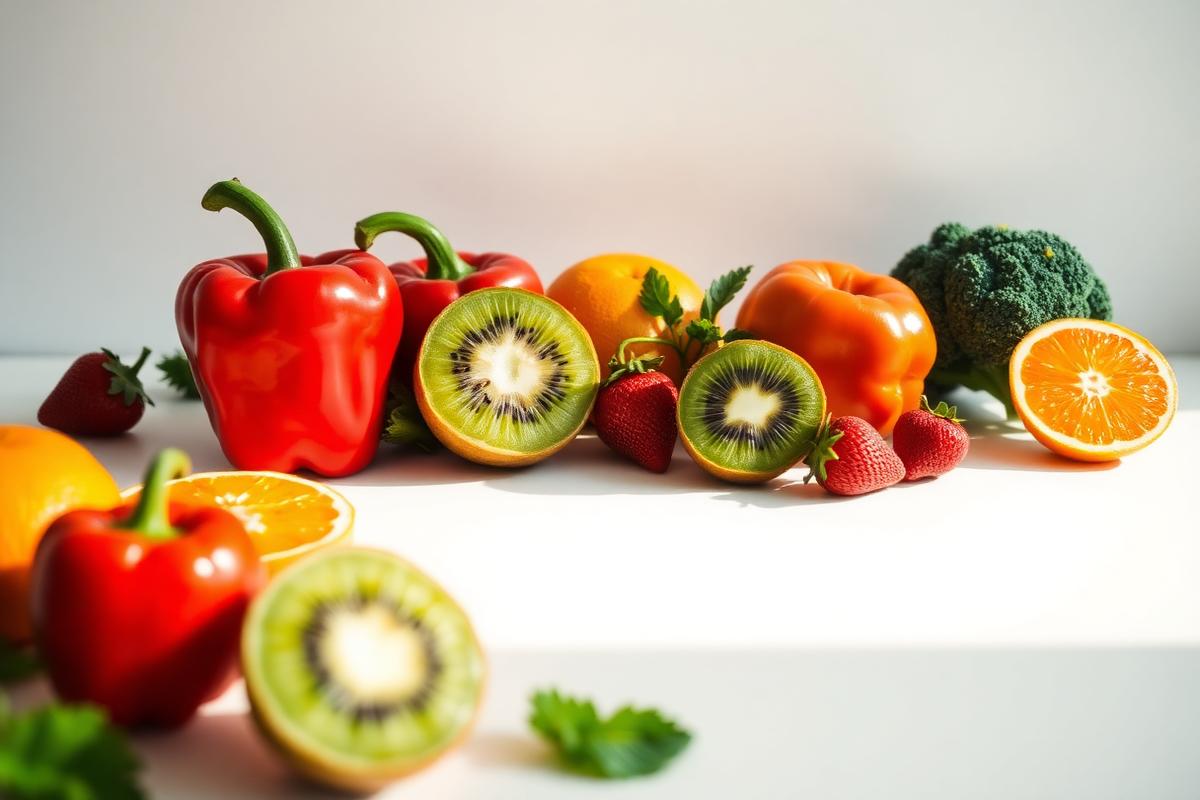
Vitamin C rich foods

Vitamin C

  • Oranges
  • Berries
  • Peppers
  • Kiwi
  • Broccoli

Supports collagen production and wound healing.

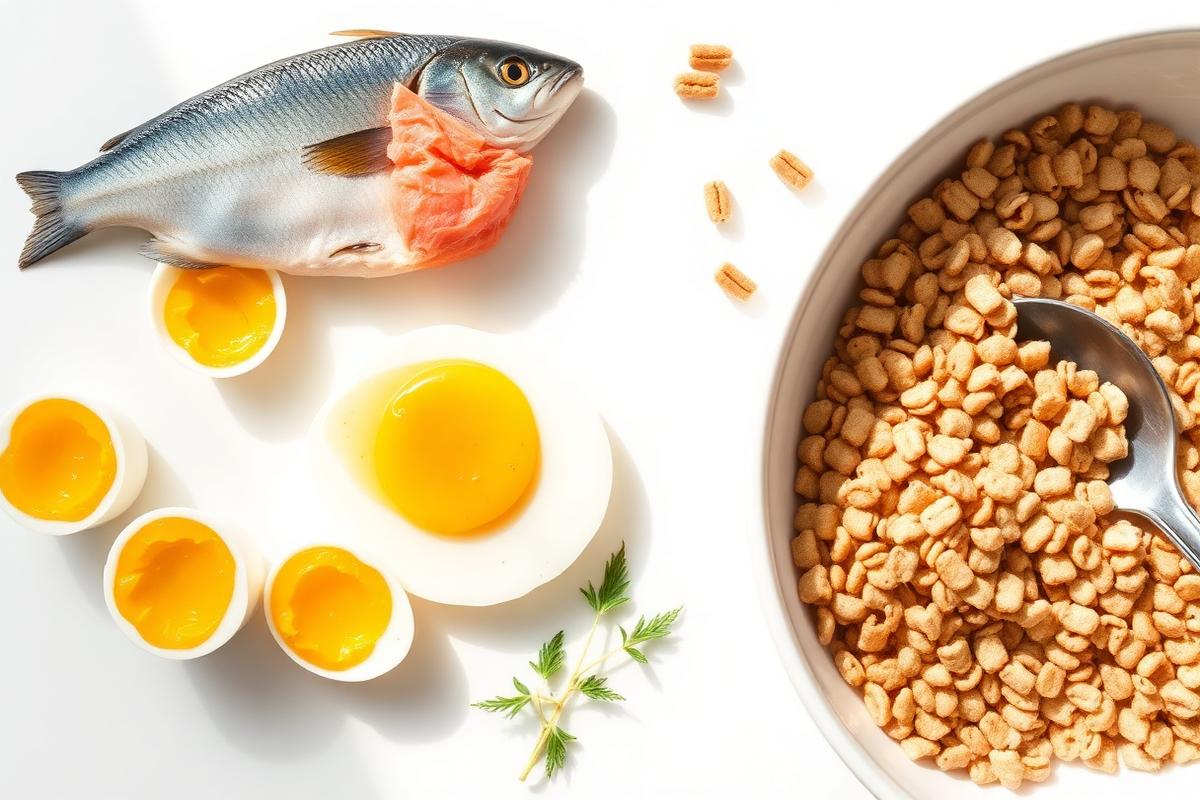
Vitamin D rich foods

Vitamin D

  • Eggs
  • Oily fish
  • Fortified cereals

Supports bone and muscle health.

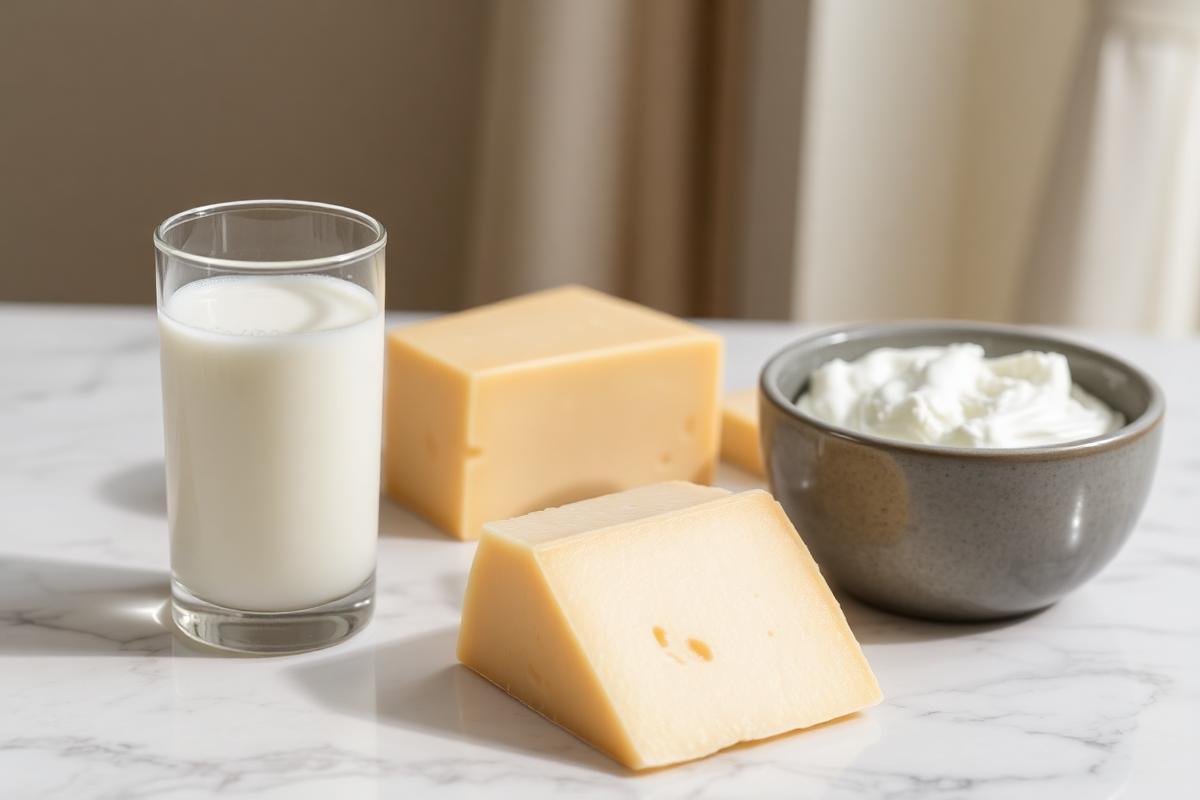
Calcium rich foods

Calcium

  • Milk
  • Cheese
  • Yoghurt
  • Fortified plant milk

Important for healthy bones.

Iron rich foods

Iron

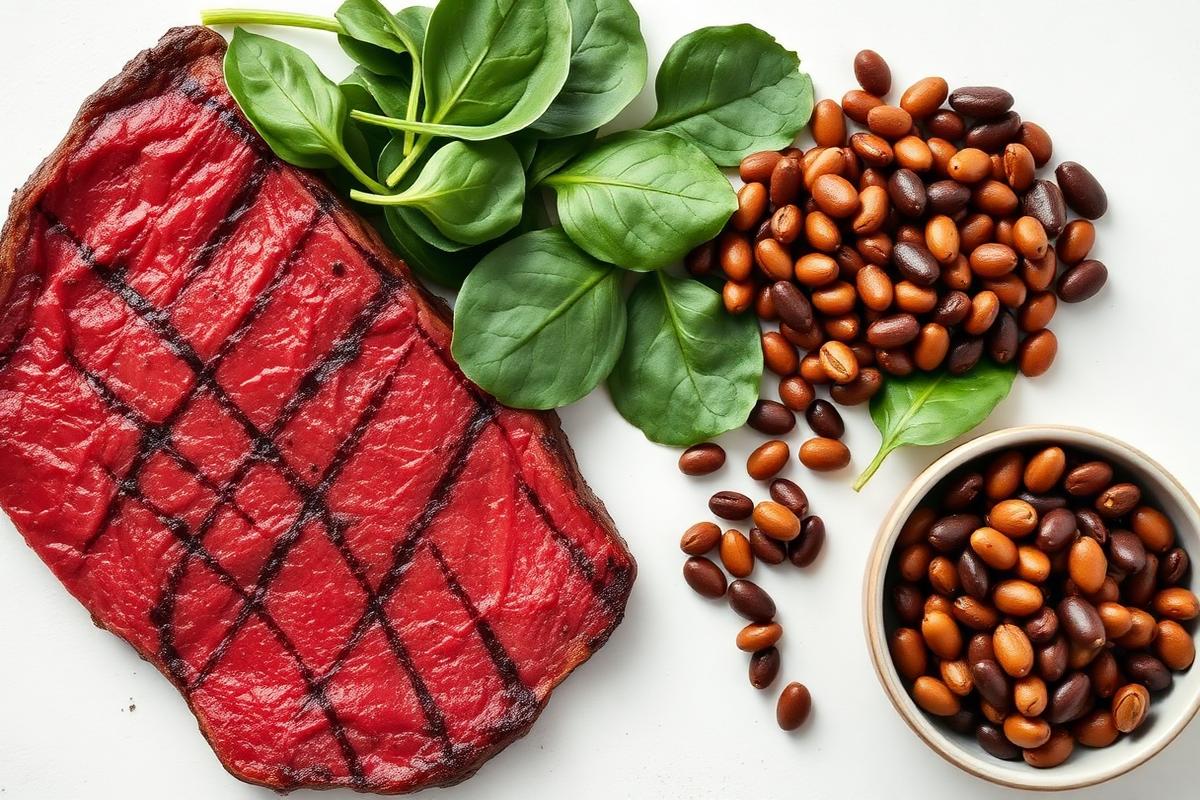
  • Lean meat
  • Spinach
  • Beans
  • Lentils

Supports healthy red blood cells.

Foods to limit

Enjoy in moderation

There's no need to eliminate treats completely โ€” focus on balance and consistency.

Highly processed foods and sugary drinks
Limit these foods

Foods that offer little nutritional support

These foods often provide lots of calories but relatively few nutrients to support healing.

  • Highly processed foods
  • Sugary drinks
  • Excess alcohol
  • Large amounts of sweets
  • Takeaway meals
Should I take supplements?

Food first, supplements only when needed

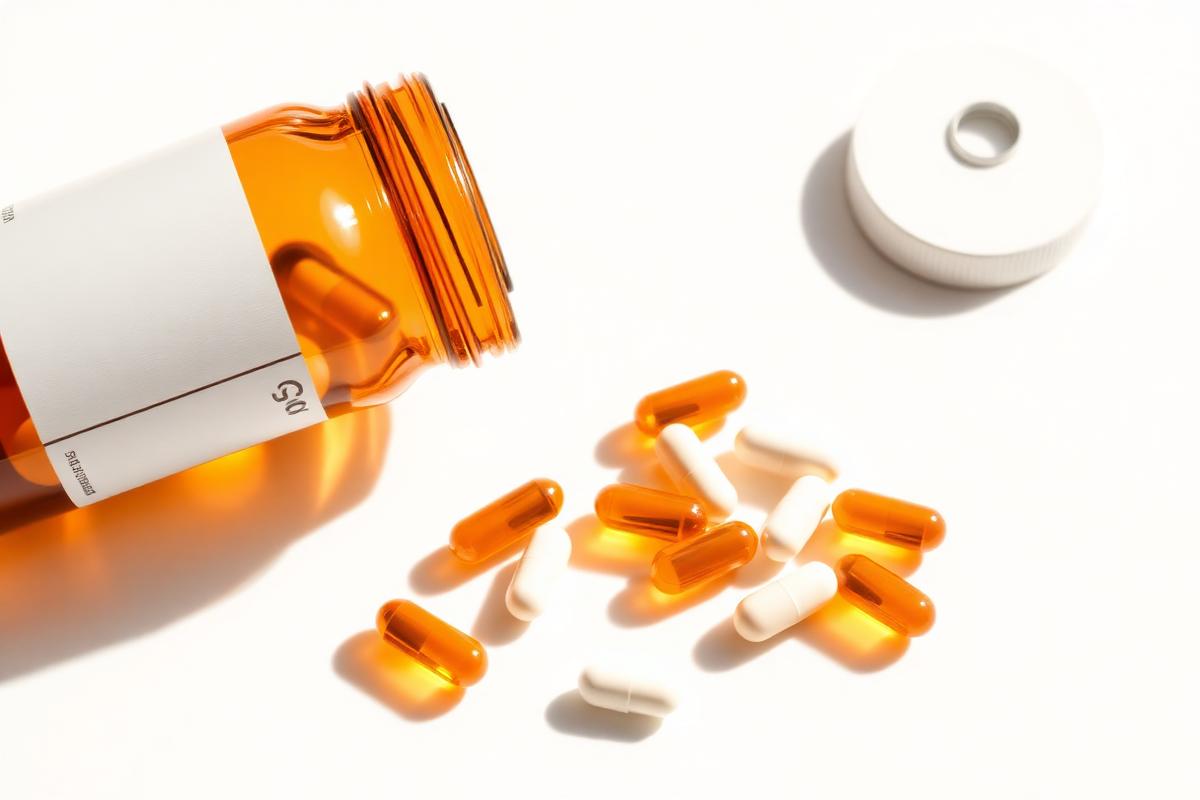
Most people can obtain everything they need from a healthy, balanced diet. Some people may benefit from supplements, particularly if they have a diagnosed deficiency such as vitamin D or iron deficiency.

Do not start supplements without discussing them with your GP, pharmacist or surgical team, as some supplements โ€” such as high-dose vitamin E, fish oil, garlic or ginkgo โ€” can increase bleeding risk or interact with medications.

Amber supplement bottle with vitamin capsules
One-day example

Example meal plan

A simple, balanced day to inspire your own meals โ€” swap in your favourites.

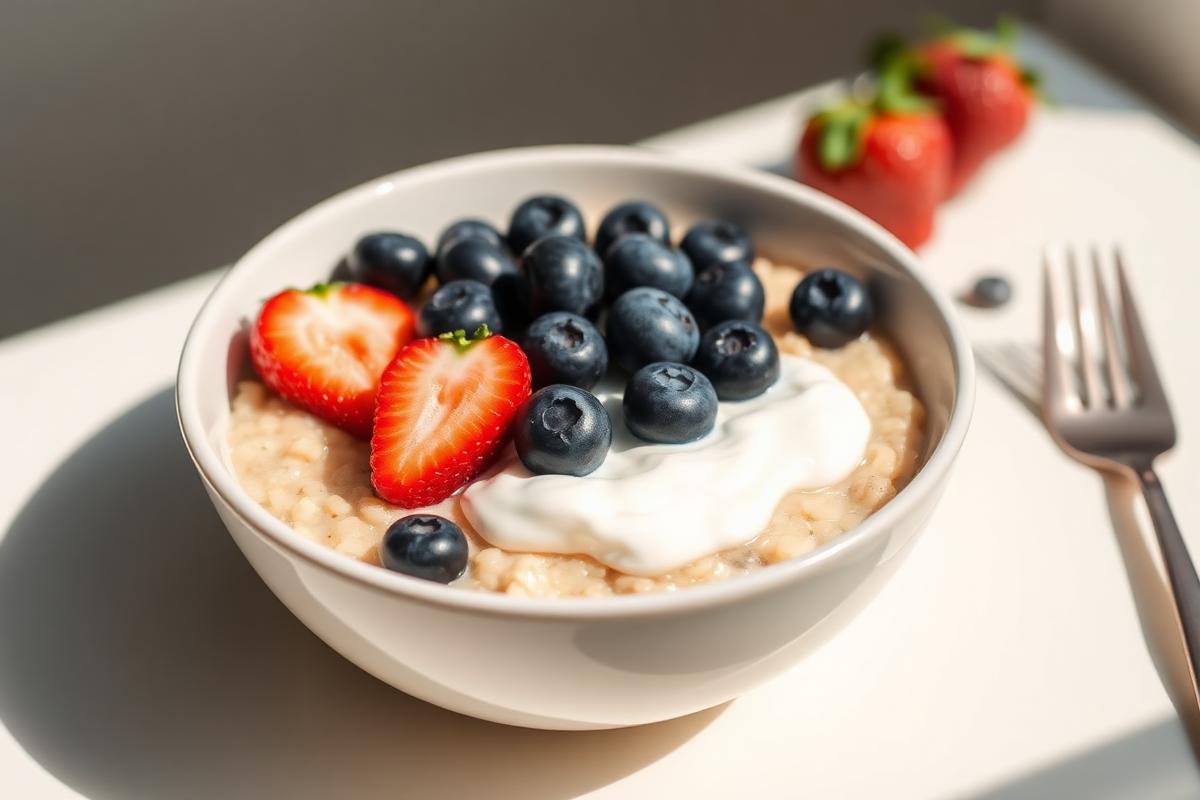
Greek yoghurt with berries and porridge
1
Breakfast
  • Greek yoghurt
  • Berries
  • Porridge
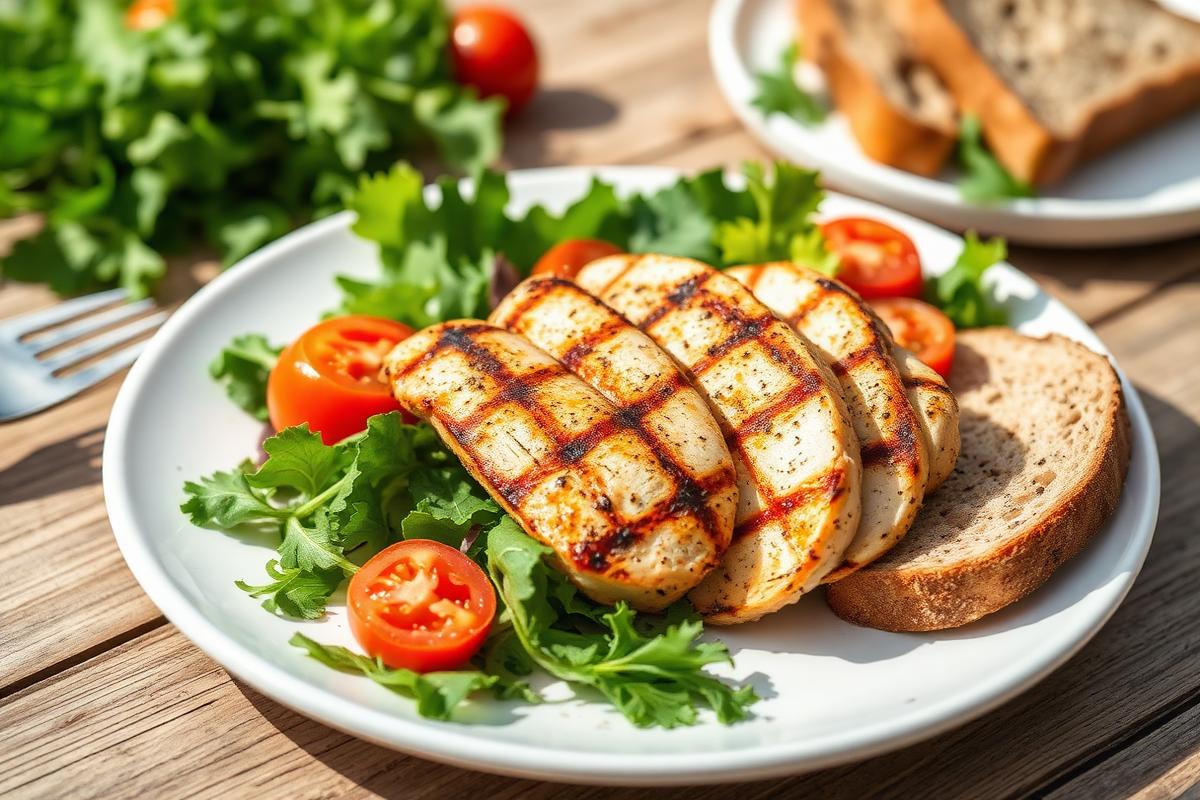
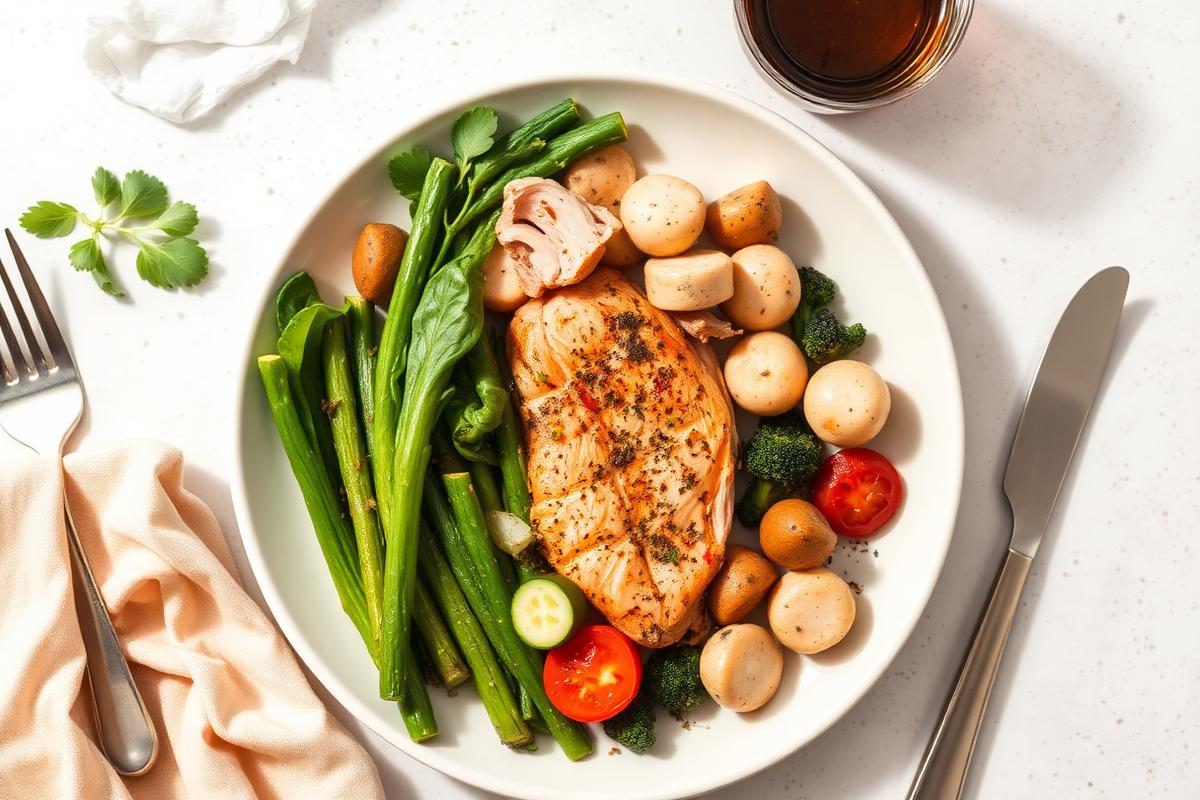
Chicken salad with wholegrain bread
2
Lunch
  • Chicken salad
  • Wholegrain bread
  • Fruit
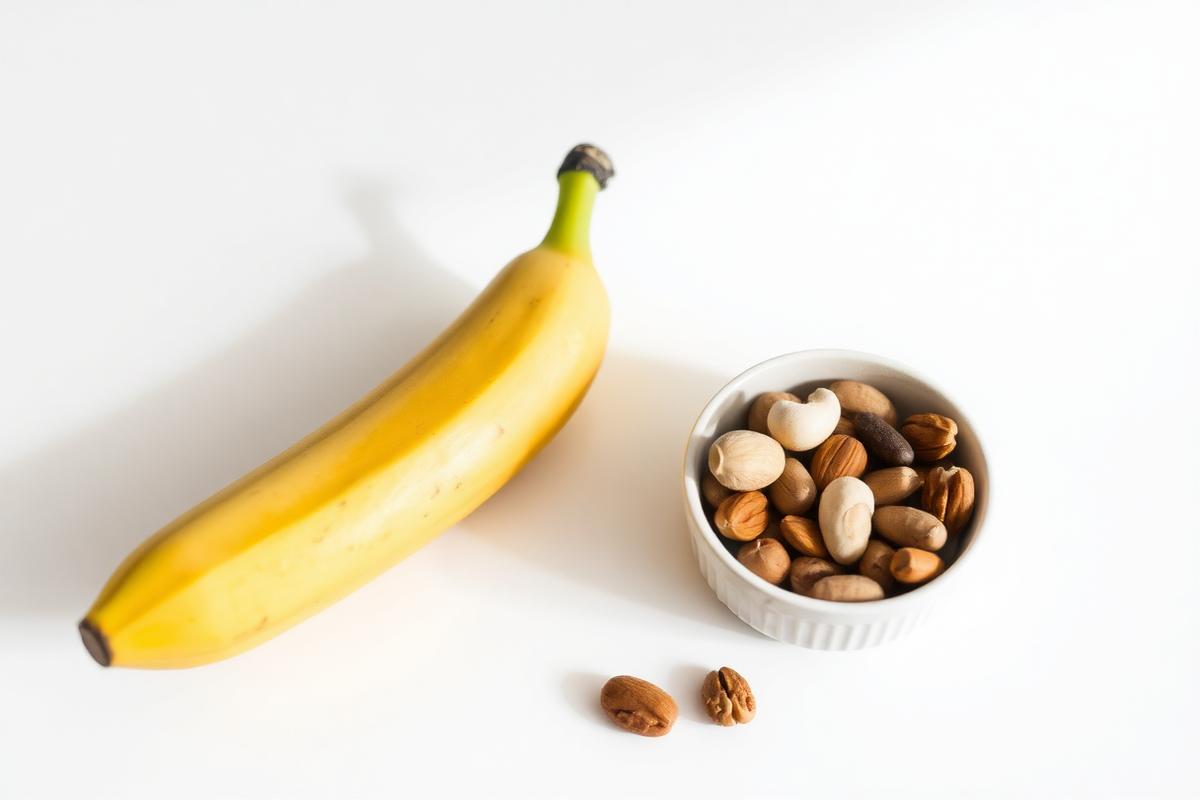
Banana and mixed nuts
3
Snack
  • Banana
  • Handful of nuts
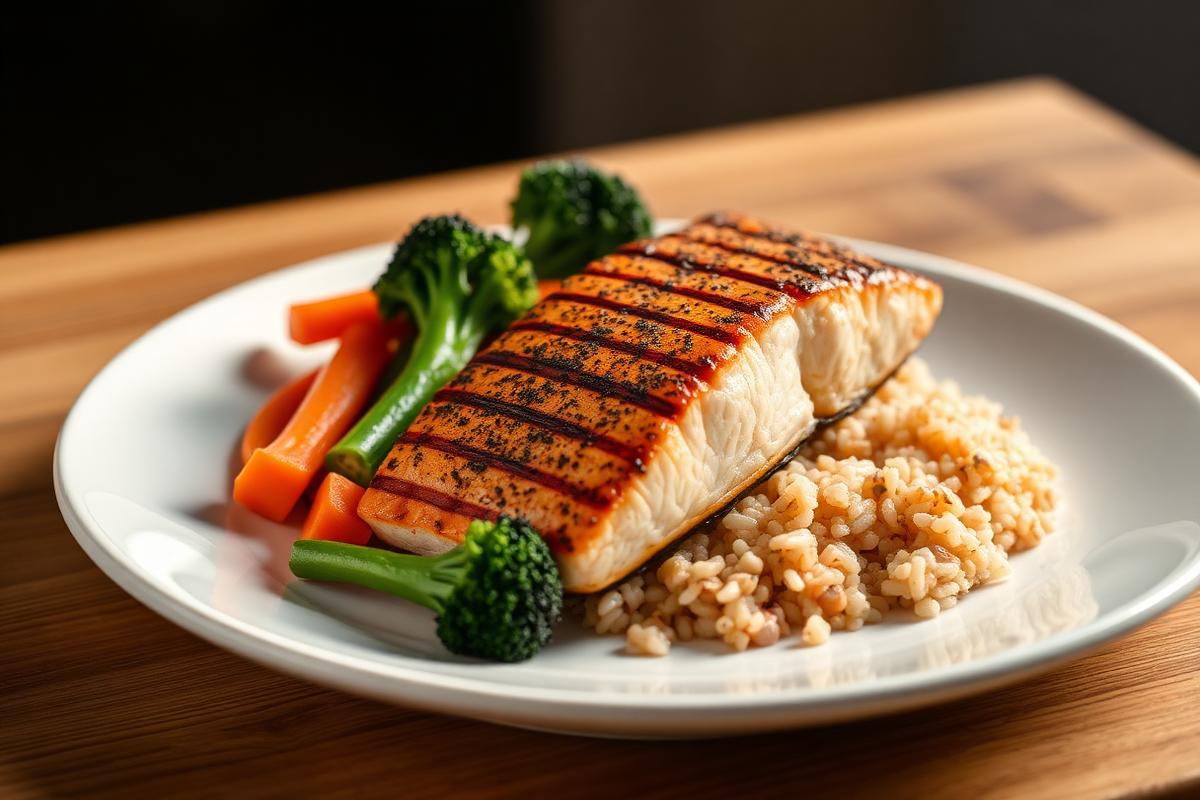
Salmon with vegetables and brown rice
4
Dinner
  • Salmon
  • Vegetables
  • Brown rice
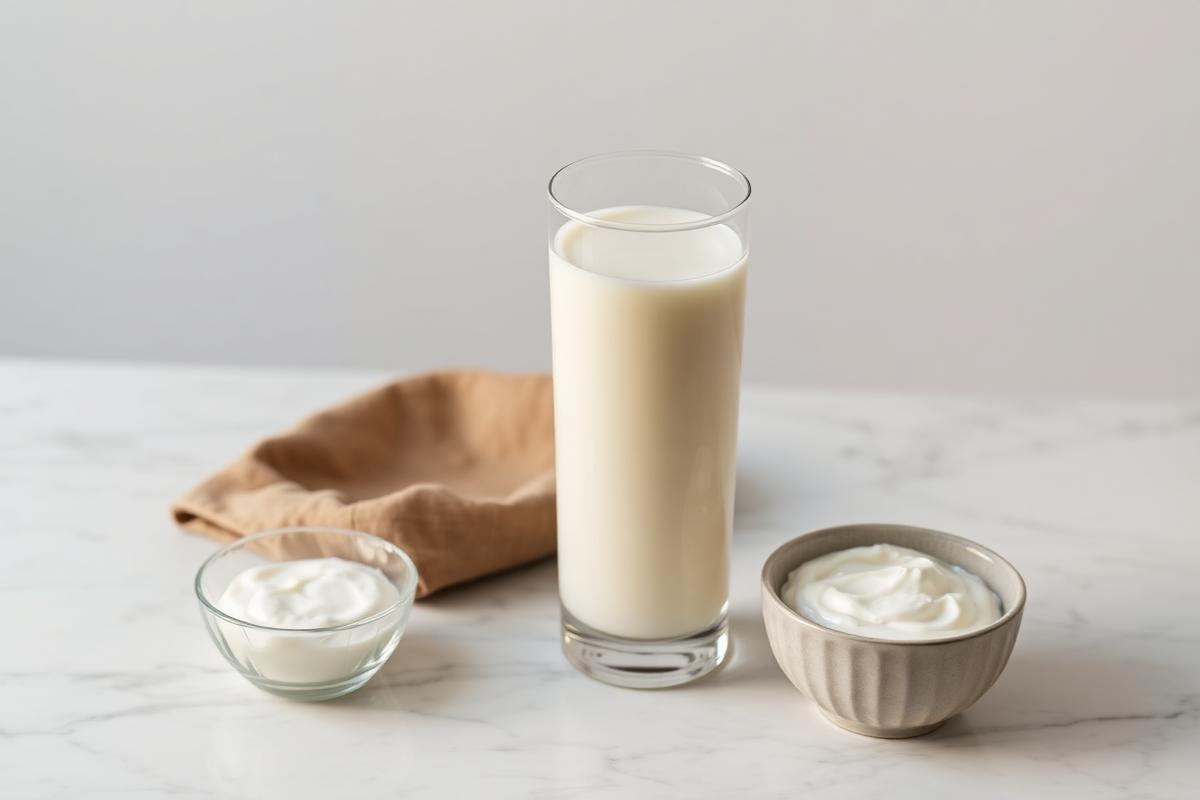
Glass of milk or yoghurt
5
Evening
  • Glass of milk
  • or yoghurt
Frequently asked questions

Common questions about eating well

Do I need a special diet?

No. Most people simply benefit from eating a balanced diet with plenty of protein, fruit, vegetables and wholegrains.

Should I lose weight before surgery?

If you are overweight, gradual weight loss may reduce surgical risks and improve recovery. Speak to your healthcare team if you would like support.

Should I stop drinking alcohol?

Limiting alcohol in the weeks before surgery is recommended, as heavy alcohol intake can impair wound healing and increase complications.

What if I have diabetes?

Keeping your blood sugar well controlled before surgery is particularly important because high blood glucose increases the risk of wound complications and infection. Follow your diabetes care plan and discuss any concerns with your healthcare team.

Key takeaway

You don't need a perfect diet.

Focus on eating enough protein, plenty of fruit and vegetables, staying hydrated and maintaining a healthy weight. Small improvements made in the weeks before surgery can help your body heal and support a smoother recovery.

References

  1. 1.Weimann, A. et al. (2021). ESPEN Practical Guideline: Clinical Nutrition in Surgery. Clinical Nutrition, 40(7), 4745โ€“4761.
  2. 2.National Institute for Health and Care Excellence (2020). NG180: Perioperative Care in Adults.
  3. 3.British Dietetic Association. Healthy Eating Guidance.
  4. 4.NHS. The Eatwell Guide.
  5. 5.World Health Organization. Healthy Diet Factsheet.
  6. 6.Ljungqvist, O., Scott, M. and Fearon, K.C. (2017). Enhanced Recovery After Surgery: A Review. JAMA Surgery, 152(3), 292โ€“298.

Practical tips

  • Aim for around 1.0โ€“1.2g of protein per kg of body weight per day if healing.
  • Avoid new supplements without checking with your GP.
  • Follow your team's fasting instructions carefully on the day of surgery.