
Long-term
Recovery
Your knee continues improving for 12–18 months — and occasionally up to two years. A calm, evidence-based companion for the journey ahead.

By three months, most people notice a dramatic improvement in pain and mobility compared with before surgery. Walking becomes easier, everyday activities feel more comfortable and confidence begins to return.
Recovery continues long after the scar has healed. Your muscles keep strengthening, swelling gradually settles, balance improves and your brain adapts to your new joint.
Recovery is a marathon, not a sprint.
Your Recovery Timeline
What you can usually expect between three months and two years.
- Walking comfortably without sticks
- Less swelling day to day
- Sleeping more normally
- Climbing stairs more confidently
- Returning to many hobbies
- Much stronger leg muscles
- Better balance
- Longer walks feel easier
- Most day-to-day activities feel normal
- Most swelling has disappeared
- The knee feels increasingly natural
- Greater confidence on uneven ground
- Better endurance
- Small improvements in flexibility continue
- Strength keeps building with regular training
- Confidence deepens with every activity
- Final result often emerges around this point
Don't judge your final result too early. Most knee replacements continue improving well beyond the first few months.
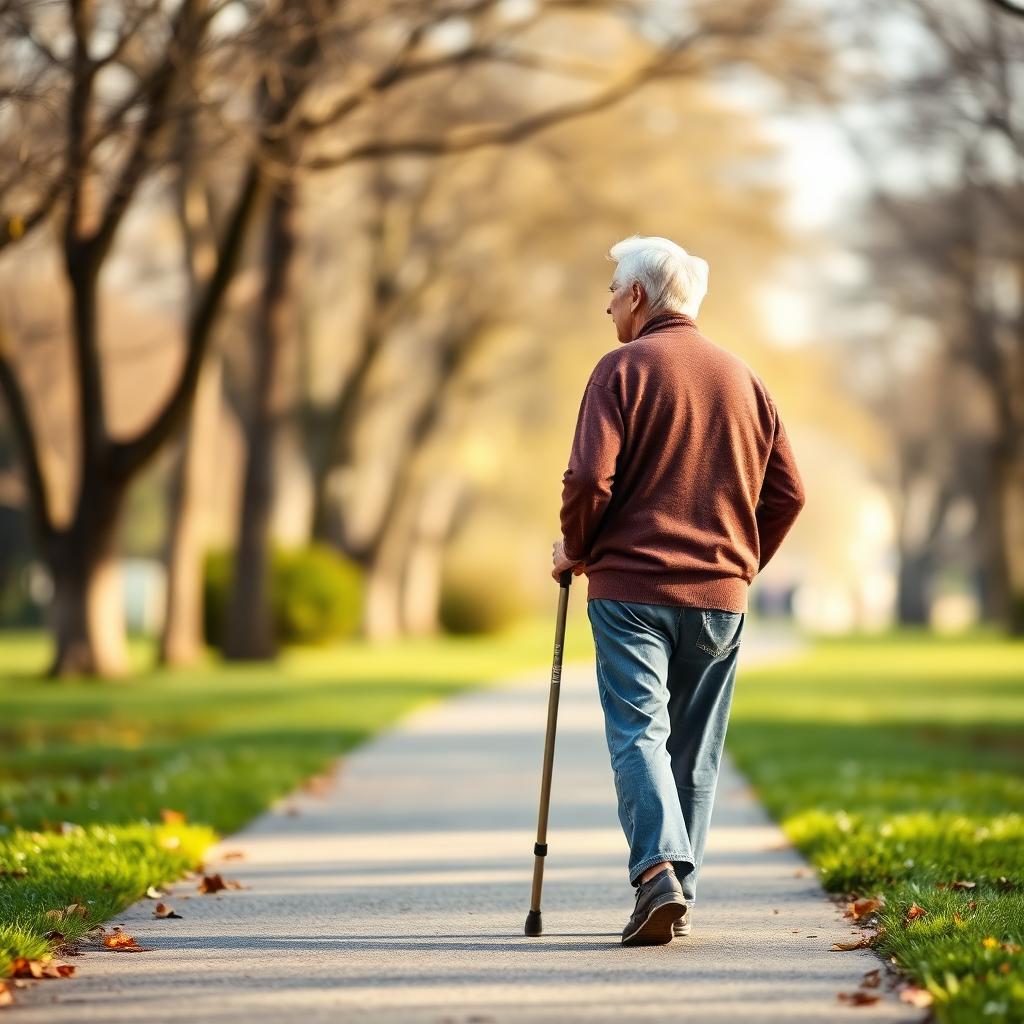
Your new knee may still surprise you
Many people worry that something is wrong because the knee doesn't feel exactly like their natural knee. Most of these sensations are completely normal.
Mild swelling
The knee often swells after long walks, gardening, shopping, standing for long periods or travelling. This may continue for many months. Ice, elevation and gentle movement usually help.
Warmth
The knee may feel warmer than your other knee for up to a year. This reflects healing and increased blood flow.
Clicking or clunking
Metal and plastic components naturally move against one another. Many patients notice clicking, clunking or gentle popping. This is usually completely normal provided it isn't painful.
Numbness
Small skin nerves are cut during surgery. Many people notice numbness beside the scar. This often improves — but a small numb patch can remain permanently.
Stiffness
Morning stiffness, or stiffness after sitting, is common. The knee usually loosens after a few minutes of movement.
A knee replacement rarely feels exactly like the knee you were born with — but it should be far less painful and let you enjoy life again.
Make your new knee last
Modern knee replacements are extremely durable. The way you look after your health can help maximise their lifespan.
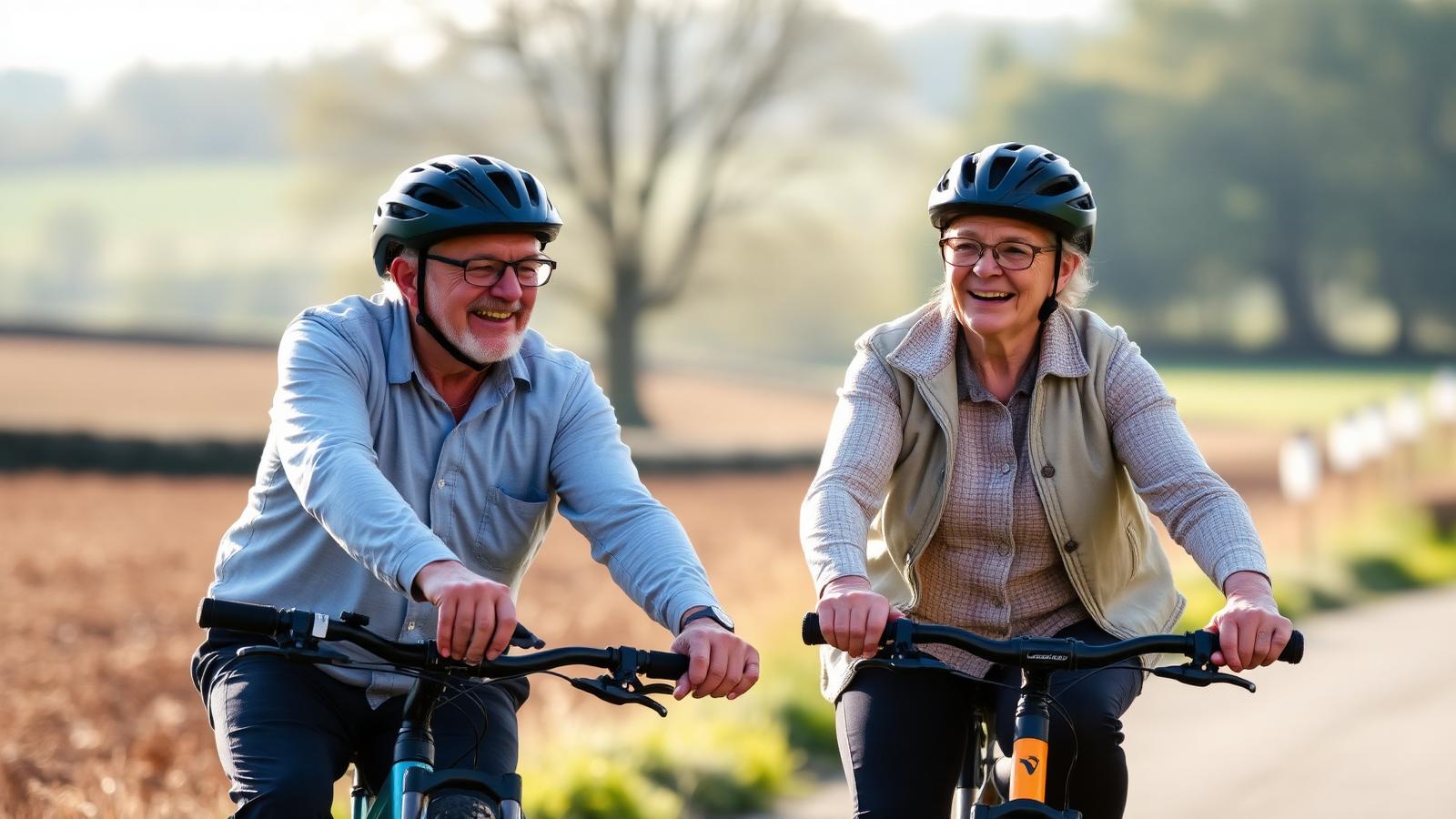
Stay active
Movement keeps muscles strong. Aim for regular exercise every week. Excellent options include:
- Walking
- Swimming
- Cycling
- Golf
- Pilates
- Yoga
- Cross trainer
Keep strong
The strongest predictor of long-term success is strong leg muscles. Continue these long after physiotherapy finishes:
- Squats
- Sit-to-stands
- Step-ups
- Balance exercises
Maintain a healthy weight
Every extra kilogram increases the load through the knee. Even modest weight loss reduces pressure on the joint.
Protect your bones
As we age our bones become weaker. Support bone health with:
- Adequate calcium
- Vitamin D if advised
- Resistance exercise
- Avoiding smoking
- Limiting excess alcohol
Prevent falls
Falls are one of the biggest threats to older adults. Keep balance training going, wear supportive shoes, keep your home free of trip hazards and have your eyesight checked regularly.
Don't smoke
Smoking slows healing and increases infection risk. Stopping smoking benefits every joint in your body.
The best way to protect your knee replacement is to protect the rest of your body.
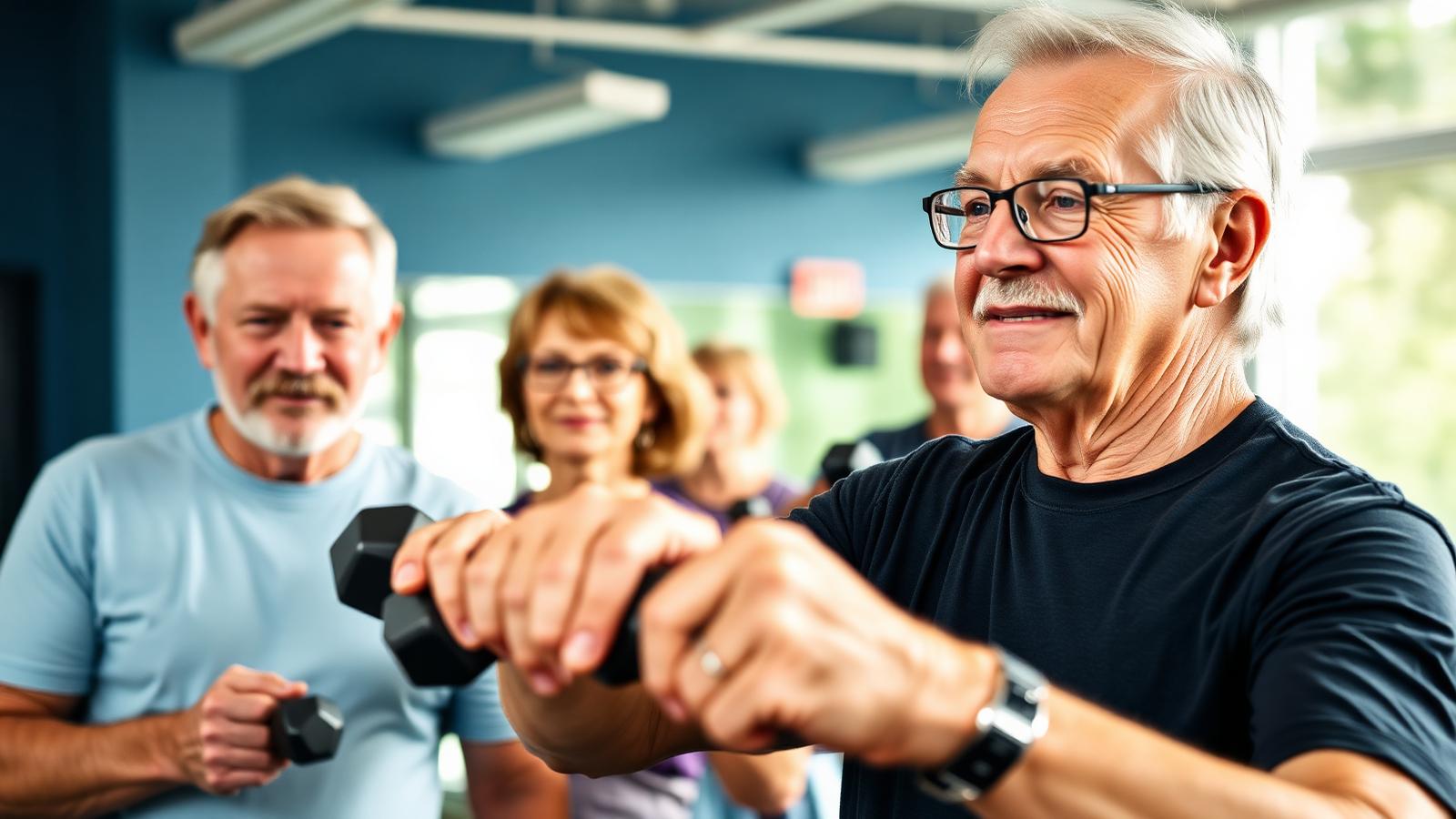
Keeping all your joints healthy
Although your new knee has been replaced, the rest of your joints still benefit from healthy habits.
Keep moving
Movement nourishes cartilage. Avoid becoming sedentary — regular activity is one of the best things you can do for every joint.
Build muscle
Strong muscles absorb force before it reaches the joints. Strength training is one of the most effective ways to reduce joint pain.
Eat well
Aim for a diet built around:
- Vegetables
- Fruit
- Whole grains
- Lean protein
- Oily fish
- Healthy fats
Look after other conditions
Control diabetes, blood pressure and cholesterol. General health directly affects joint health.
Sleep well
Good sleep supports recovery, immune function and pain management. Aim for 7–9 hours where possible.
Stay social
Remaining active with friends, hobbies and family helps maintain physical and mental wellbeing.
Healthy ageing isn't just about your knee — it's about staying strong, active and independent for life.
Problems are uncommon — but know the warning signs
Serious complications after knee replacement are uncommon. Recognising them early means they can usually be treated.
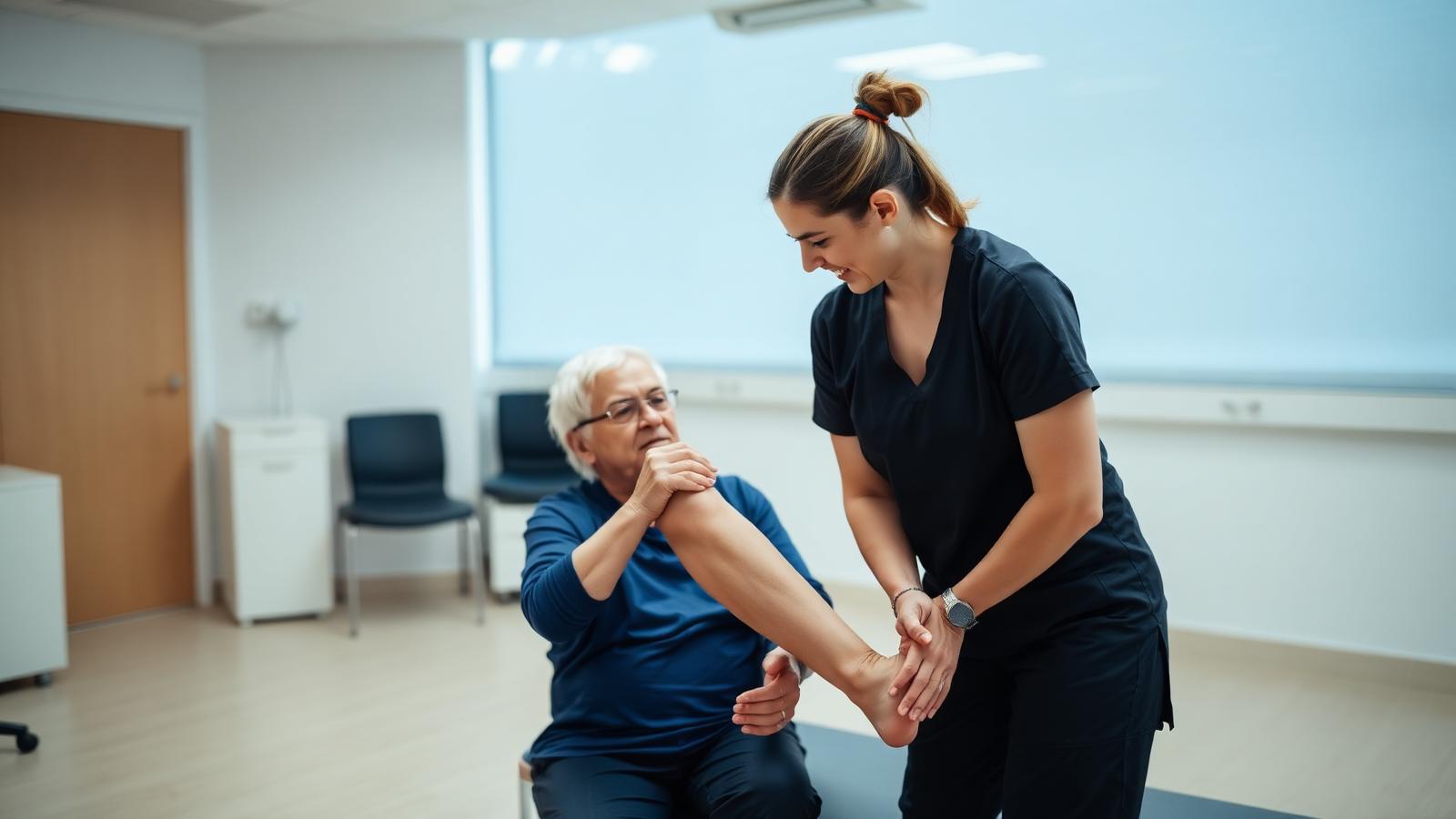
Infection
- Increasing redness
- Increasing swelling
- Pus or wound leakage
- Fever above 38°C
- Feeling unwell
Blood clot (DVT)
- Painful swollen calf
- Tenderness
- Warmth
- Increasing swelling
Pulmonary embolism
- Chest pain
- Sudden breathlessness
- Coughing blood
- Collapse
Persistent stiffness
- Scar tissue limiting bending
- Slow improvement in range of movement
Ongoing pain
- Pain getting worse rather than better
- New pain months or years after surgery
Implant wear
- Modern knee replacements often last 15–25 years or longer
- Over time components can loosen or wear
Most people never experience these problems — but recognising them early is important.

When should I contact my surgical team?
Two lists to keep handy — one for urgent hospital contact, one for emergency services.
Contact your hospital
If you develop any of the following:
- Increasing pain instead of gradual improvement
- New wound leakage
- Increasing redness
- Fever
- Large increase in swelling
- Calf pain or swelling
- New instability
- Difficulty weight bearing
Call emergency services
Immediately if you have:
- Chest pain
- Sudden shortness of breath
- Collapse
- Coughing blood
Frequently asked questions
Real questions patients ask about life after knee replacement.
Your new knee, your new life
Recovery is about far more than healing a wound. It's about returning to the activities that matter to you — walking the dog, travelling, gardening, playing with grandchildren, or simply getting through the day without pain.
Keep active. Stay strong. Maintain a healthy weight. Continue exercising. Most importantly — enjoy your new knee.