
🩸Optimising Your Blood Count
A healthy blood count helps your body cope with surgery and heal well afterwards. If your blood tests suggest anaemia, there is usually plenty of time to improve it before your operation.
What anaemia is
Anaemia means your blood has a lower level of haemoglobin — the substance that carries oxygen — than usual. It is common and often has a simple cause.
You may feel more tired than usual, short of breath on effort, or look a little pale. Many people have no symptoms and only find out from a blood test.
Why it matters before surgery
Surgery involves some blood loss. Starting with a healthy blood count means you are more likely to recover quickly and less likely to need a blood transfusion.
Treating anaemia in advance can shorten your hospital stay and helps your energy levels during rehabilitation. If your haemoglobin level is below 115, it may be necessary to delay your surgery.
Iron-rich foods
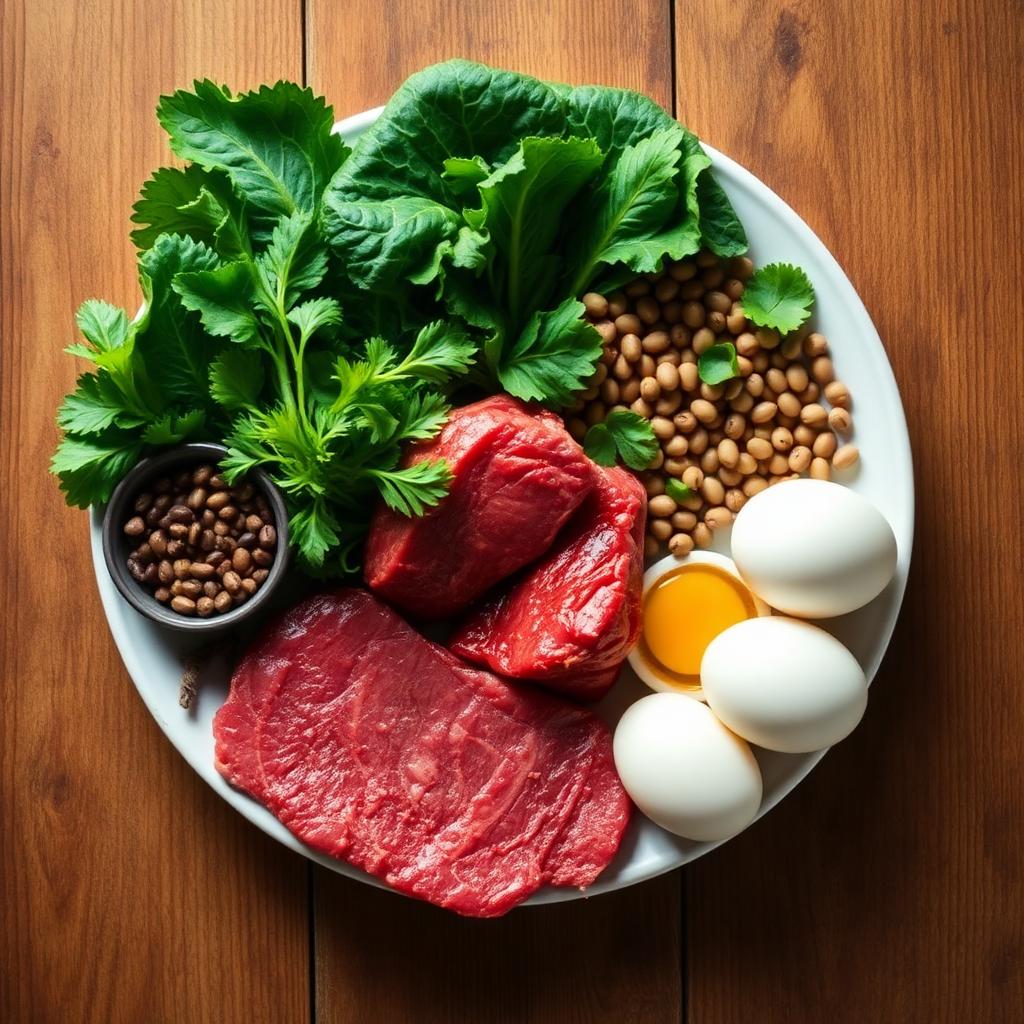
Good sources of iron include lean red meat, chicken and turkey, oily fish, eggs, beans, lentils, tofu, fortified breakfast cereals and dark green leafy vegetables such as spinach and kale.
Vitamin C helps your body absorb iron from food — a glass of orange juice, some pepper or a piece of fruit with a meal makes a real difference. Tea and coffee reduce absorption, so try to have them between meals rather than with them.
Iron tablets
Your GP or pre-assessment team may prescribe iron tablets. Take them exactly as advised — usually once a day or every other day.
Iron tablets can cause constipation, dark stools or mild stomach upset. Taking them with food or trying alternate days often helps. Don't stop the tablets without speaking to your team.
Iron infusions
If iron tablets are not tolerated or your operation is close, the team may recommend an iron infusion — iron given directly into a vein.
This takes around 15 to 60 minutes in a day-unit setting and can raise iron levels more quickly than tablets. Most people tolerate it well.
Blood tests
You will usually have a blood test before surgery to check your haemoglobin and iron levels. Sometimes a repeat test is arranged closer to your operation.
Please attend any blood tests you are invited to — they help the team fine-tune your plan.
Frequently asked questions
How long does it take to correct anaemia? With iron tablets, several weeks. An iron infusion can work more quickly. Your team will choose the best option for you.
Will I definitely need a transfusion? No. Most people don't. Optimising your blood count before surgery is one of the best ways to avoid needing one.
Can I take over-the-counter iron? Please check with your pharmacist or GP first — some products interact with other medicines.
Practical tips
- Eat iron-rich foods with a source of vitamin C.
- Take prescribed iron tablets as advised — try alternate days if they upset your stomach.
- Attend all blood tests before your operation.