
😴Sleep Apnoea and Surgery
Sleep apnoea is a common condition that affects breathing during sleep. If you have it — or your answers suggest you might — it is important information for the anaesthetic team, and there are simple steps that keep you safe.
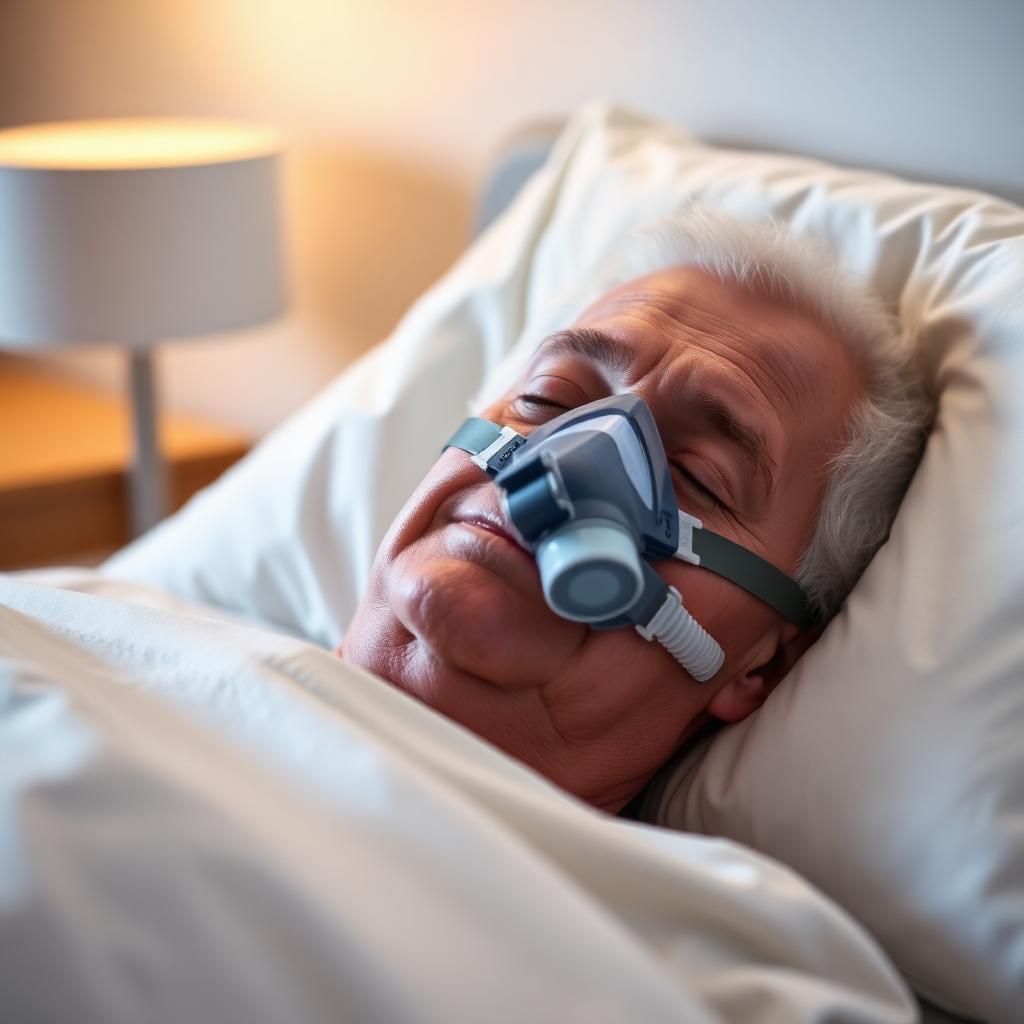
What sleep apnoea is
In sleep apnoea, the airway briefly narrows or closes during sleep, causing pauses in breathing and short drops in oxygen. Many people don't realise they have it.
Common signs include loud snoring, waking gasping, feeling very tired during the day, morning headaches and needing to nap often. A partner may notice pauses in breathing during the night.
Why it matters during anaesthesia
Anaesthetic medicines and strong painkillers can relax the muscles around the airway, which may make sleep apnoea more noticeable straight after surgery.
Knowing about it in advance means the team can plan your anaesthetic, monitoring and pain relief carefully. It does not usually prevent surgery.
Bringing your CPAP machine
If you use a CPAP machine at home, please bring it into hospital with your mask, tubing and any humidifier chamber, along with the power lead.
Label everything clearly with your name. Continuing your usual CPAP overnight in hospital is one of the most helpful things you can do for a smooth recovery.
What happens in hospital
You may have extra monitoring of your oxygen levels and breathing after surgery, particularly on the first night.
The team will use pain relief that keeps you comfortable while being mindful of your breathing — you can help by using deep breathing exercises and sitting up as soon as you are able.
Recovery after surgery
Keep using your CPAP machine at home exactly as usual after you are discharged, including during daytime naps in the first few days.
Sleeping propped up slightly, avoiding alcohol and sedating medicines, and staying active during the day all help your breathing recover.
Frequently asked questions
I have not been diagnosed with sleep apnoea but I snore a lot — is that a problem? Please tell the pre-assessment team. They may arrange further checks so your anaesthetic can be planned safely.
Do I need my CPAP settings written down? Yes if you can — bringing a photo of the machine display or a note of your pressure settings is very helpful.
Will I need to stay in hospital longer? Not usually. Any extra monitoring is routine and often only for the first night.
Practical tips
- Bring your CPAP machine, mask and lead — labelled with your name.
- Take a photo of your CPAP settings before you come in.
- Tell the team about heavy snoring or daytime sleepiness, even if undiagnosed.