
💊Medicines Before Surgery
Most of your regular medicines are safe to continue right up to surgery. A few need to be adjusted or paused for a short time, and the pre-assessment team will give you clear personal advice.
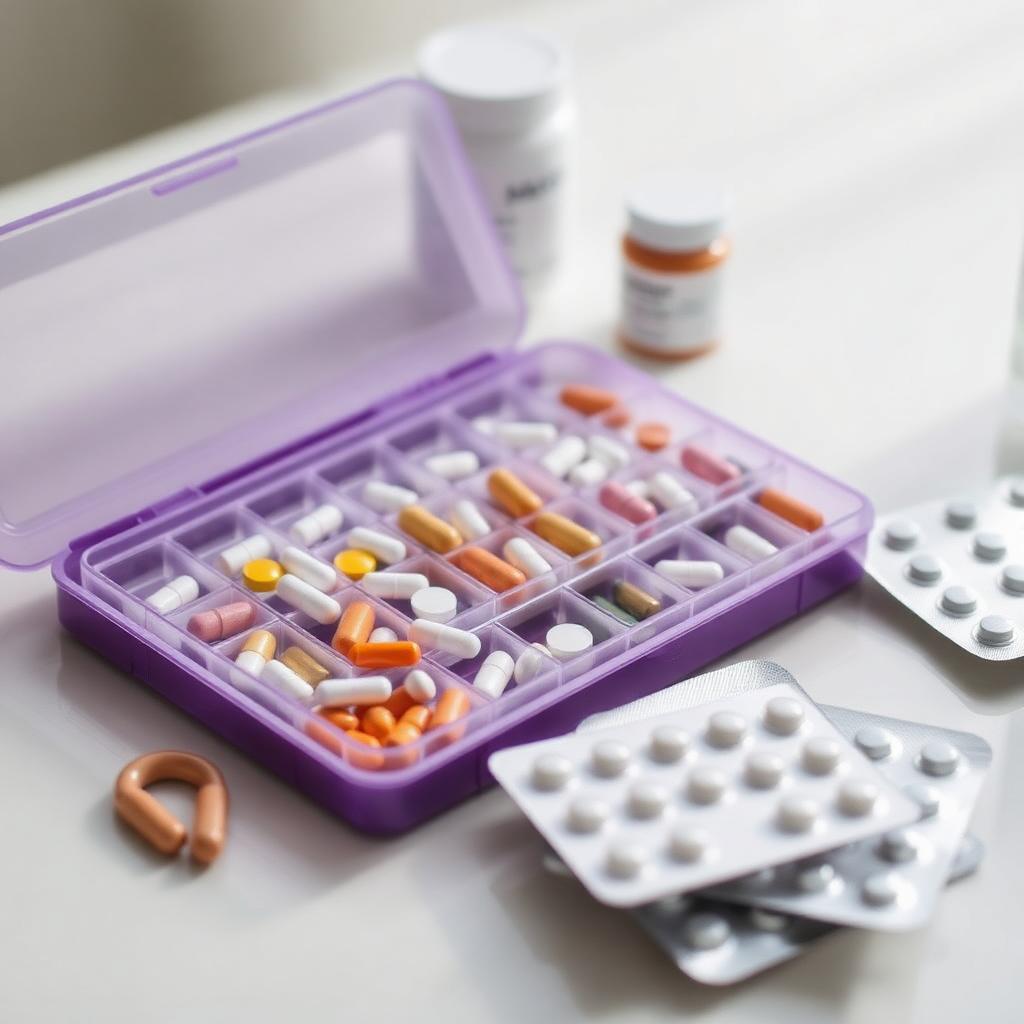
Why some medicines need adjusting
Some medicines can affect bleeding, blood pressure, blood sugar or the kidneys around the time of surgery. Small, temporary changes reduce risk and are safely managed by the team.
Never stop or change a medicine on your own — always follow the written instructions given to you. If anything is unclear, contact the pre-assessment team.
Blood thinning medication
Medicines such as warfarin, apixaban, rivaroxaban, dabigatran, edoxaban, clopidogrel and daily aspirin often need a plan around your operation.
The team will tell you exactly when to stop and restart these. If you take a blood thinner because of a mechanical heart valve or recent clot, extra care is taken to keep you safe during the pause.
Diabetes medication
Tablets like metformin, gliclazide and SGLT2 inhibitors (empagliflozin, dapagliflozin, canagliflozin) usually need short adjustments around the day of surgery.
If you use insulin or a GLP-1 injection (semaglutide, liraglutide, dulaglutide), the team will provide clear instructions. Bring your usual devices and monitoring kit into hospital.
Herbal remedies and supplements
Some herbal products — including St John's Wort, ginkgo, ginseng, garlic tablets, turmeric and high-dose fish oil — can affect bleeding or interact with anaesthetic drugs.
It is usually safest to stop herbal remedies and non-essential supplements about a week before surgery. Please mention everything you take, including anything bought online or at a health shop.
What medicines to bring into hospital
Bring all your regular medicines in their original packaging, along with any inhalers, eye drops, creams, injections and CPAP-style equipment if you use it.
Also bring an up-to-date list showing the name, dose and how often you take each medicine. Your GP practice or pharmacy can print this for you.
Frequently asked questions
Should I take my morning medicines on the day of surgery? Follow the written advice from pre-assessment. Most tablets are taken with a small sip of water; a few are held.
What if I run out of a medicine before surgery? Order a repeat prescription in good time. Do not come in without your regular medicines.
Can I take paracetamol as usual? Yes, unless told otherwise. Paracetamol is a helpful part of pain relief around surgery.
Practical tips
- Bring all your medicines in their original packaging.
- Follow the written stop/start instructions exactly.
- Tell your team about herbal remedies and supplements too.