
🧴Looking After Your Skin Before Surgery
Healthy skin is one of your body's most important barriers against infection. Taking simple care of your skin in the weeks before surgery helps reduce the risk of infection around your new joint.
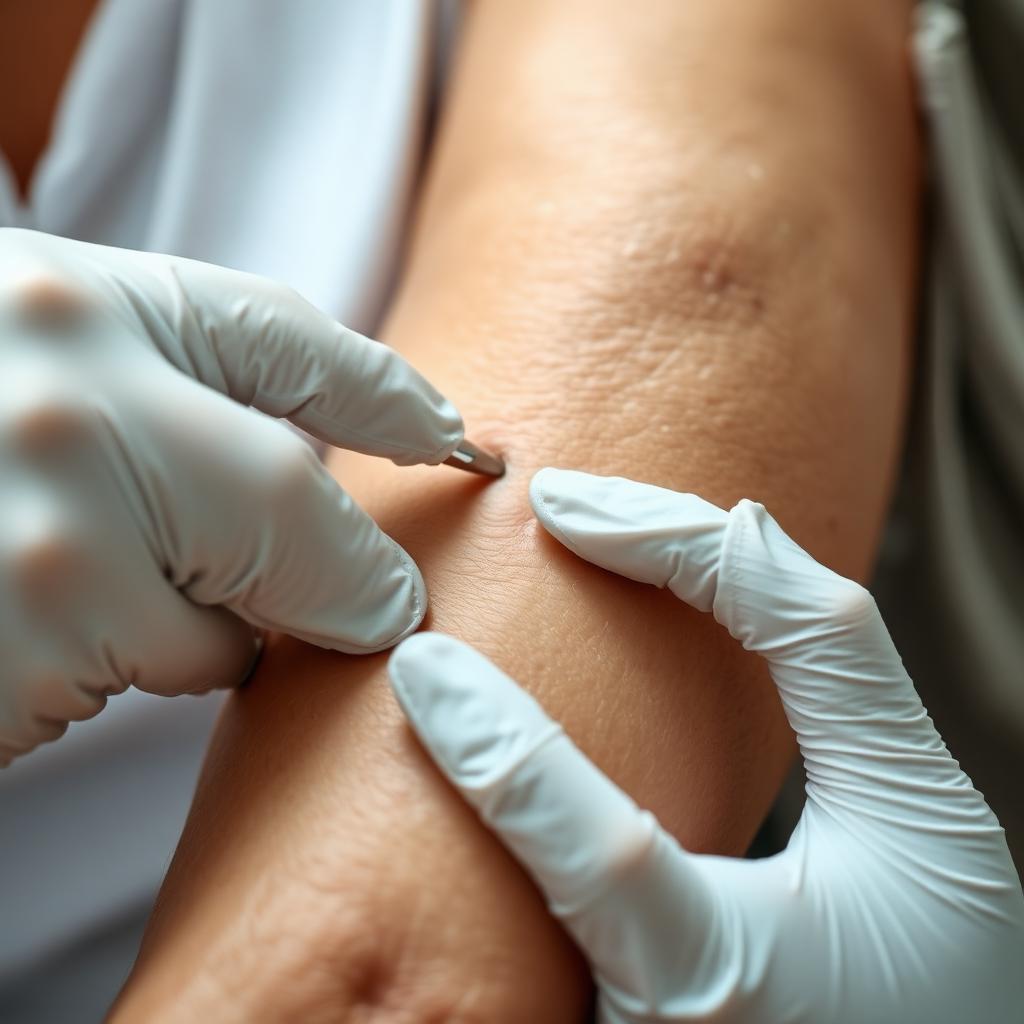
Why healthy skin matters before surgery
Your skin protects you from bacteria in everyday life. During surgery, an incision briefly breaks that barrier, so the healthier your skin is, the lower the risk of infection.
Broken skin, active rashes and unhealed wounds — especially around the leg being operated on — can sometimes mean surgery has to be rescheduled. Looking after your skin now helps avoid delays.
Cuts, grazes and wounds
Clean any cuts or grazes with mild soap and clean water and cover with a plaster or dressing until healed.
Let the pre-assessment team know about any open wound, especially on the leg being operated on — this includes pet scratches, gardening cuts and minor injuries.
Leg ulcers
Any leg ulcer needs to be reviewed before surgery. If you have one that is not yet healed, please tell the pre-assessment team as soon as possible.
Continue with your usual dressings and compression treatment. Your team can advise if any changes are needed before your operation.
Rashes and skin infections
Common conditions like eczema and psoriasis are usually fine, but active flare-ups near the operation site should be reviewed.
If you notice redness, warmth, swelling, pus or spreading rash, contact your GP or the pre-assessment team so this can be treated promptly.
Insect bites
Most insect bites heal without any problems. Try not to scratch — this can break the skin and let in infection.
If a bite becomes red, hot, swollen or painful, or you feel unwell, seek medical advice. Let the team know if there are bites on the operation leg.
Looking after your feet
Keep nails trimmed and skin between the toes clean and dry. Treat any athlete's foot or fungal nail infection with over-the-counter treatments from your pharmacist.
If you have diabetes or reduced sensation in your feet, have any foot problems checked by your GP or podiatrist before surgery.
When to tell the pre-assessment team
Contact your team if you have any new skin problem, open wound, rash or possible infection in the weeks before surgery — especially near or on the leg being operated on.
It is far better to raise something and be reassured than to wait until the day of surgery.
Frequently asked questions
Can I still shave my legs? Avoid shaving the operation leg in the 24 hours before surgery — small nicks can let in bacteria. Hospital staff will trim any hair if needed.
Can I use moisturiser? Yes, in the weeks before surgery. Avoid creams, lotions or fake tan on the day of your operation.
Will minor eczema delay surgery? Usually not, provided the skin is intact and not actively infected. Keep using your usual treatments.
Practical tips
- Report any new cuts, rashes or wounds on the operation leg straight away.
- Keep skin clean, moisturised and well cared for in the weeks before surgery.
- Avoid shaving the operation leg in the 24 hours before your operation.