Your medications
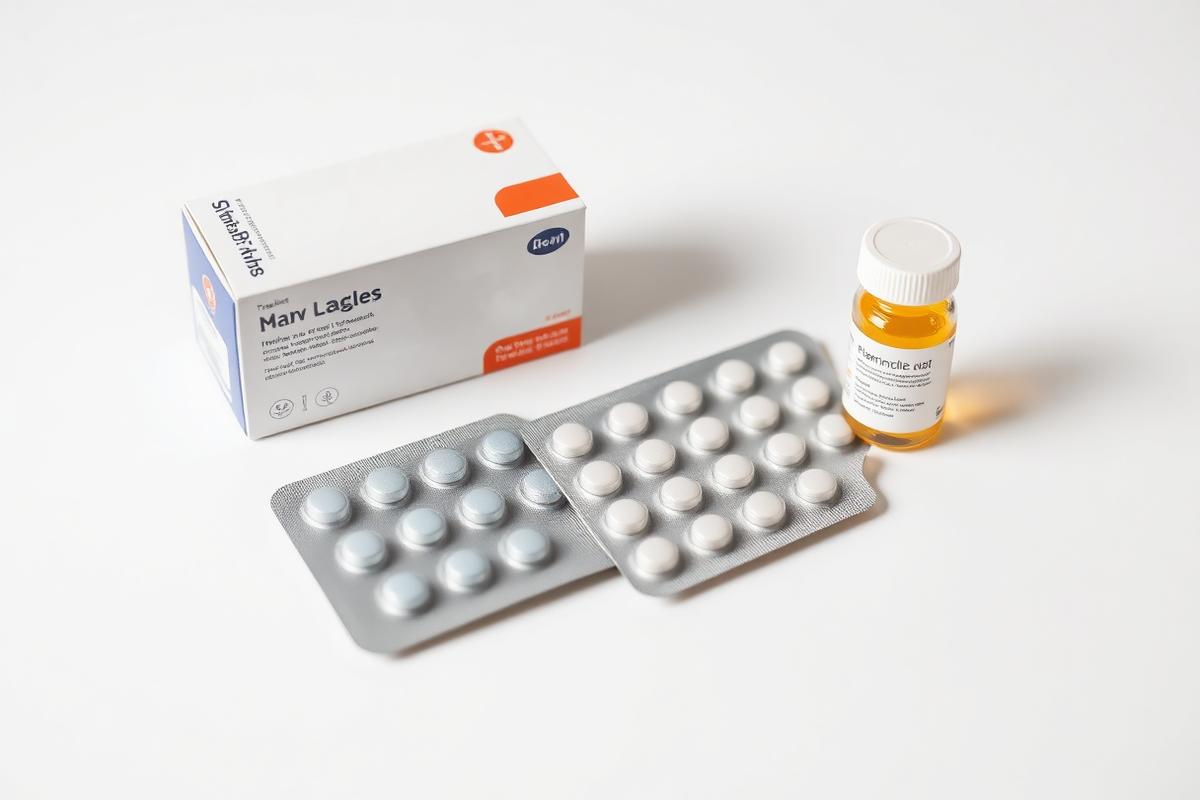
- Regular medications
- Inhalers
- Insulin if needed
- Over-the-counter medicines
- Medication list
- Original packaging
Your hospital team needs to know exactly what medication you normally take so they can continue it safely during your stay.

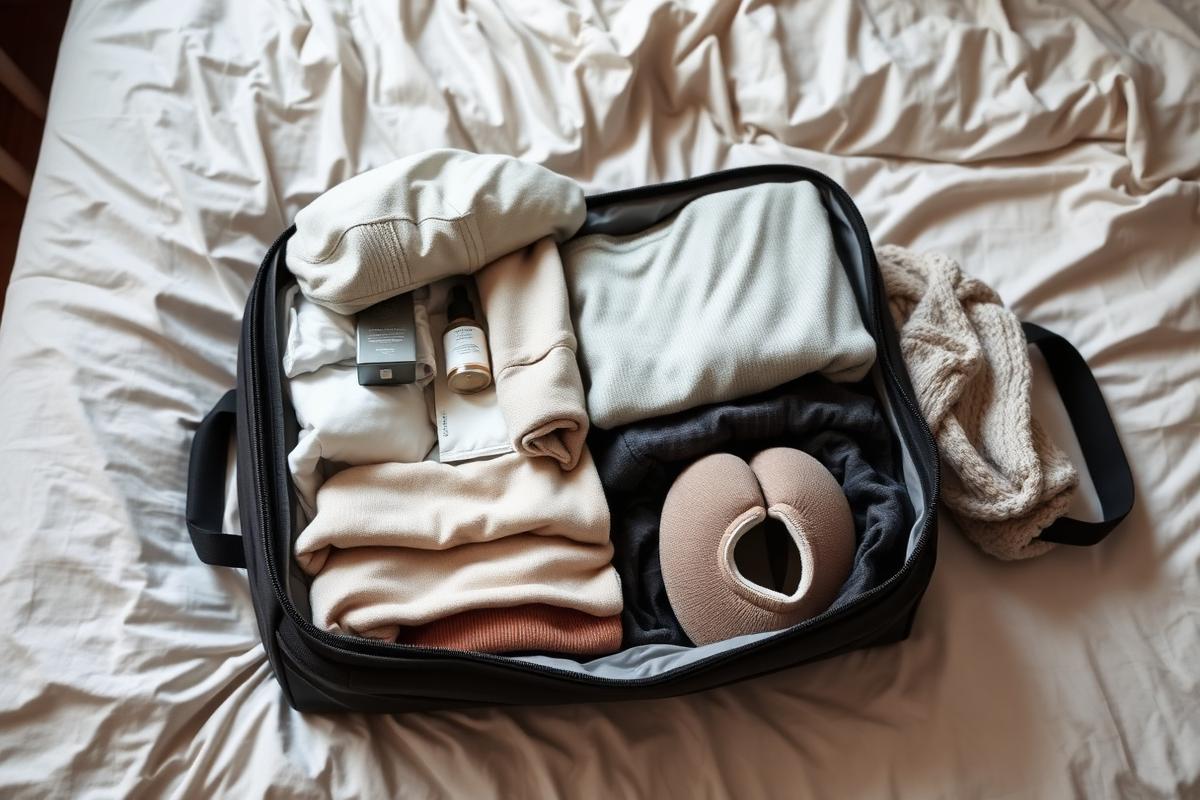
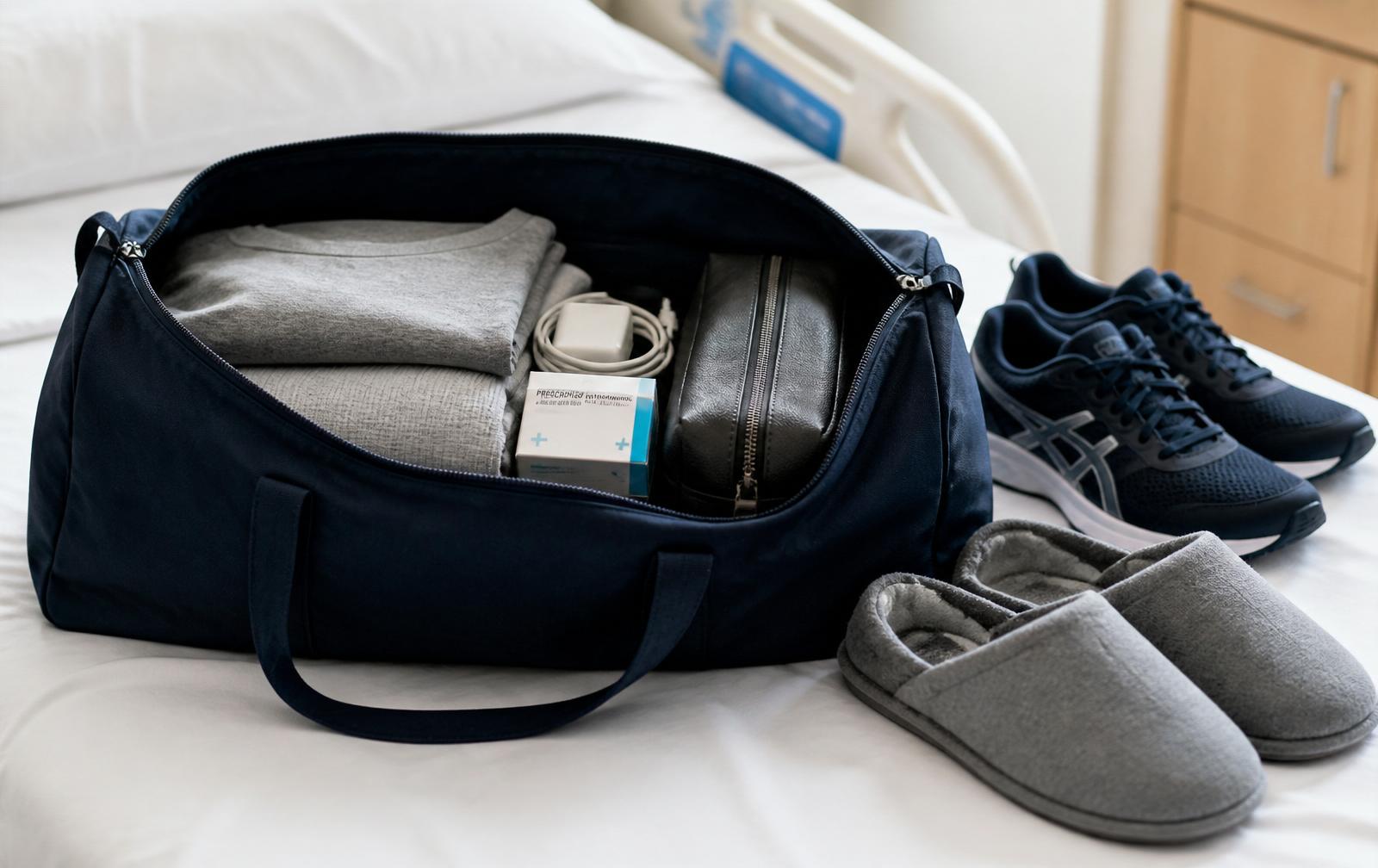
Packing well makes your hospital stay more comfortable and helps you focus on recovery. Keep it simple โ one small bag is usually enough.

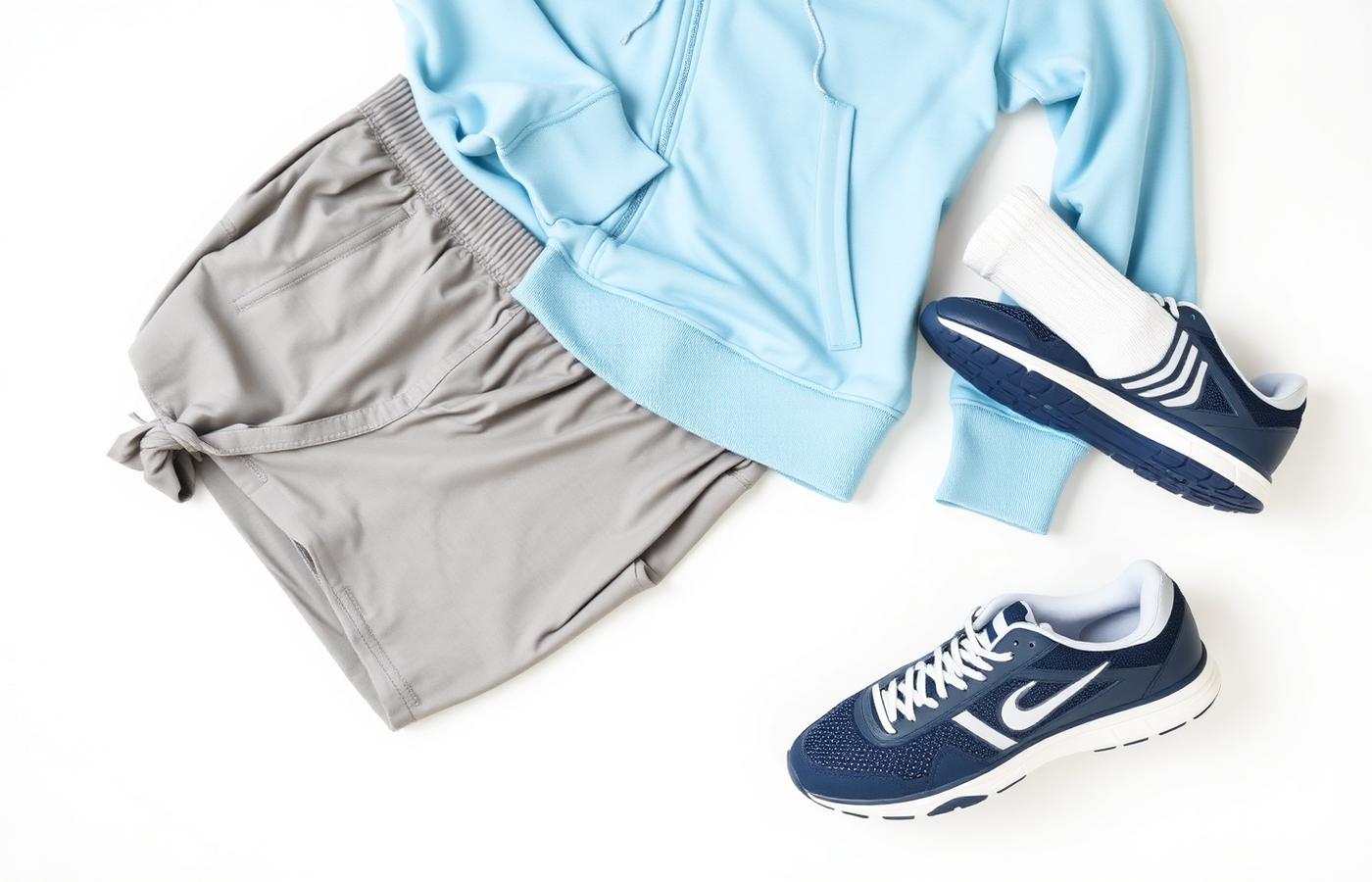
Loose, comfortable clothing such as tracksuit bottoms or wide-leg trousers that fit over a bandaged knee.
Well-fitting, non-slip shoes or slippers with a back โ not backless slippers or flip-flops.
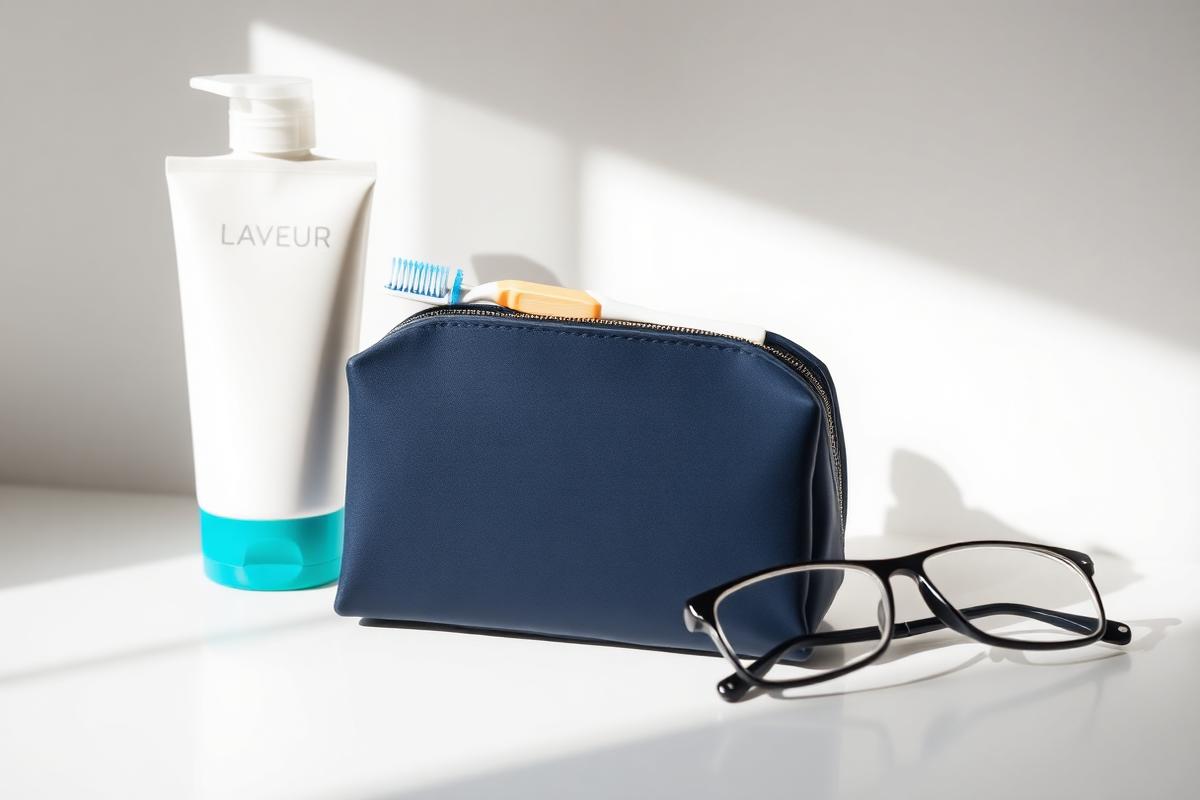
Toiletries, glasses, hearing aids, and a phone charger with a long cable.
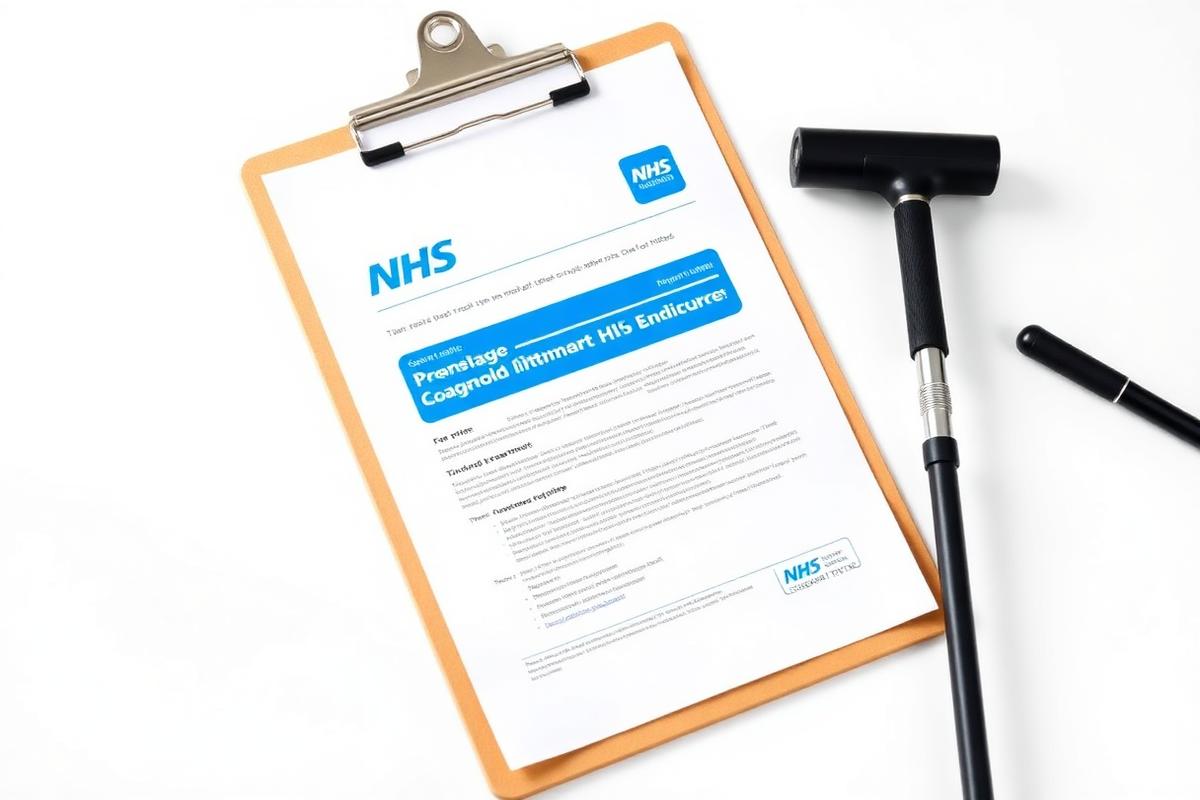
Bring your admission letter, a list of medications and your regular medicines in their original packaging.
Leave valuables and large sums of money at home.
Most patients only stay in hospital for one night after knee replacement surgery, so you won't need to bring very much. Packing the right items beforehand helps your admission run smoothly and makes your stay much more comfortable.

Most people go home the same day or after one night.
Bring your regular medications in their original packaging whenever possible.
You only need the essentials for a short, comfortable stay.
Loose clothing is much easier to put on after surgery.
Tap any item to tick it off. Your progress saves automatically.

Your hospital team needs to know exactly what medication you normally take so they can continue it safely during your stay.

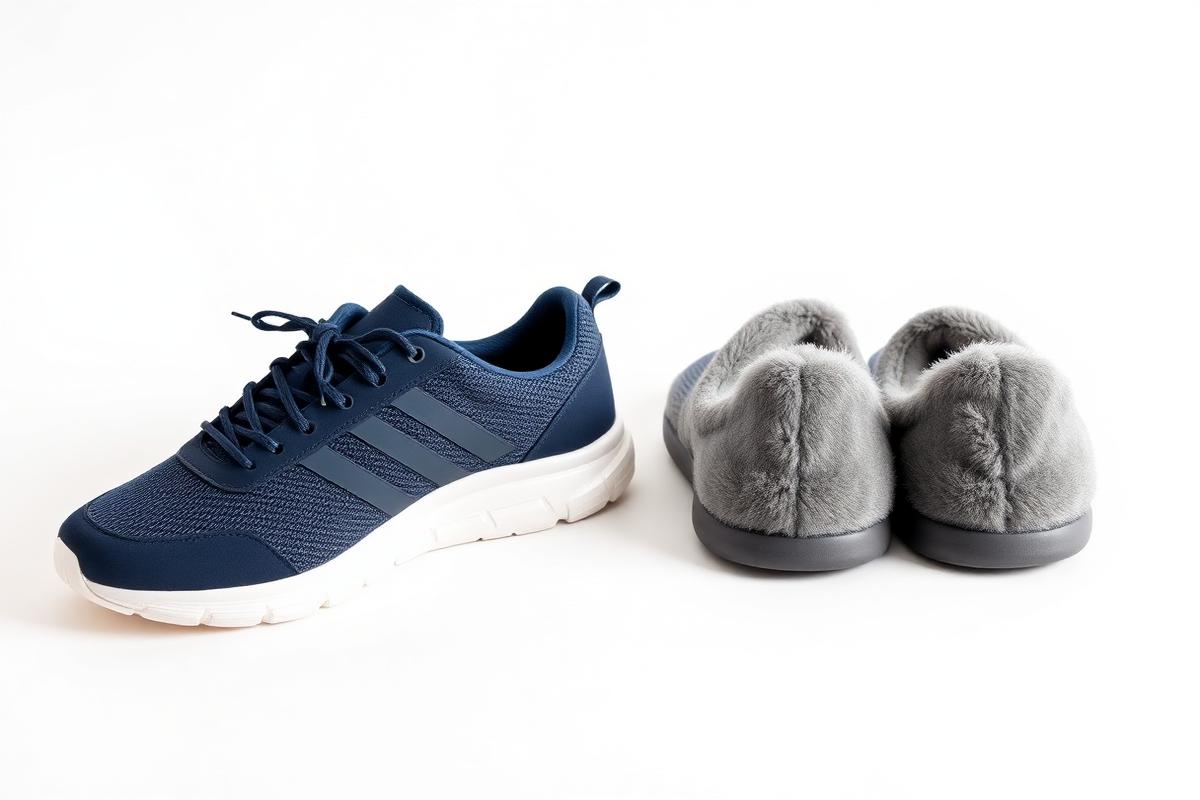
Loose clothing is much easier to put on after surgery when your knee is swollen and covered with a dressing.

Avoid flip-flops or backless slippers โ supportive shoes with grip make walking safer while your knee is healing.

Bring only the basics. A small wash bag with the everyday essentials is all you need.

Hospitals usually have Wi-Fi so you can keep in touch with family and pass the time comfortably.

Keep these together in the top of your bag so they are easy to find when you check in.
If you bring valuables into hospital they remain your responsibility. Remove jewellery, watches, make-up, false nails and nail varnish before your admission.
Leave valuables at home whenever possible.

Wear comfortable, loose-fitting clothes that are easy to remove and easy to put back on after surgery. Avoid tight trousers or jeans โ your knee will be swollen after the operation. Supportive flat shoes with good grip are recommended.
Simple steps that help avoid delays on the day. Tap each item to tick it off โ your progress saves automatically.
Most patients go home the same day or after one night, depending on how quickly they recover and whether it is safe for them to return home.
Yes. Bring all your regular medications, including inhalers, insulin, herbal supplements and over-the-counter medicines, ideally in their original packaging with around one week's supply.
It is best not to. Leave jewellery, watches, large amounts of cash and expensive electronics at home whenever possible โ the hospital cannot take responsibility for personal items.
Comfortable, supportive flat shoes with grip are much safer than sandals, flip-flops or backless slippers after surgery.
Yes. You will change into a hospital gown for the operation, but you can wear your own loose clothing before and after โ this is much more comfortable for going home.
Yes, in most cases. If your team has asked you to bring your own walking aid you will have been told in advance โ otherwise it will be provided before you go home.
A clean, printable A4 list you can tick off on paper. Use the button to print or save as PDF.
Focus on comfortable clothing, your regular medications, supportive footwear and a few personal essentials. Packing your bag the day before surgery means you'll arrive relaxed, organised and ready to focus on your recovery.