
OpBuddy
BACK
Module 2 ยท Topic

๐Ÿ Preparing Your Home

A little preparation at home before surgery can make the first few weeks of recovery much safer and more comfortable. Focus on removing hazards and keeping essentials within easy reach.

Preparing Your Home

Safety first

Remove loose rugs, trailing cables and clutter from walkways.

Ensure good lighting on staircases and in bathrooms, and consider a nightlight for the route between bedroom and bathroom.

Everyday equipment

A raised toilet seat, a shower stool and grab rails can make bathing and toileting easier while your knee is healing.

Prepare a comfortable chair with good back support and a footstool for elevating your leg.

Interactive guide
Prepare your home

Preparing your home for knee replacement surgery

A little preparation before surgery can make your recovery safer, easier and much less stressful. Most people return home within one or two days after surgery โ€” a well-prepared home lets you focus on getting moving again.

A tidy living room with clear walkways and no trip hazards
Safe
Free of trip hazards and easy to move around
Easy to live in
Everyday items within easy reach
Reassuring
Help arranged for the first few days
Clear living room walkway with rug edges secured
Step 1 ยท Living space

Remove trip hazards

Falls are one of the commonest reasons recovery is delayed. Spending just ten minutes making your home safer can significantly reduce your risk.

  • Remove or tape down loose rugs
  • Move electrical cables against walls
  • Keep walkways clear of clutter
  • Ensure enough room for a walking frame
  • Move furniture that blocks main routes

Walk through your usual routes from bed to bathroom, kitchen and living room as if you were using a walking frame โ€” anything in the way needs to move.
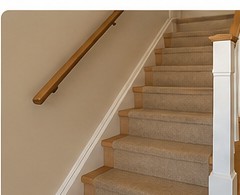
Secure wooden handrail on carpeted stairs
Step 2 ยท Stairs

Make stairs safer

You will be able to use stairs after surgery, but they take a little more time and care in the first few weeks. A secure handrail makes all the difference.

  • Check the handrail is firmly fixed
  • Consider a second handrail if only one side has one
  • Keep the stairs clear and well-lit
  • Plan a downstairs sleeping option if needed
  • Practise going up and down before your operation

A simple rule for after surgery โ€” good leg leads going up, operated leg leads going down.

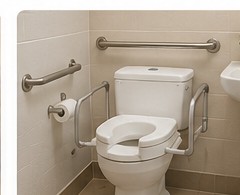
Bathroom with raised toilet seat and grab rails
Step 3 ยท Bathroom

Prepare your bathroom

Most falls after knee replacement happen in the bathroom. A few simple adjustments โ€” a raised toilet seat, grab rails and a shower chair โ€” make washing much safer and more comfortable.

Avoid twisting or bending deeply in the first few weeks. Sitting to wash and to dress is safer and less tiring.

  • Fit a non-slip mat in the shower or bath
  • Add grab rails where you sit and stand
  • Use a raised toilet seat if bending is difficult
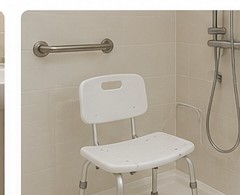
  • Set up a shower chair for seated washing
  • Keep toiletries within easy reach
  • Add a night light for safe night visits
Shower chair with non-slip mat inside a walk-in shower

A shower chair lets you wash safely without standing for long periods.

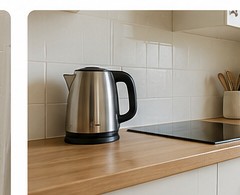
Kitchen worktop with kettle and everyday items within easy reach
Step 4 ยท Kitchen

Prepare your kitchen

Having meals prepared and everyday items within easy reach means less standing, less bending and more time to rest and recover.

  • Batch cook and freeze meals in advance
  • Buy easy-to-prepare food for the first week
  • Keep kettle, mugs and plates on the worktop
  • Store frequently used items between waist and shoulder height
  • Have a chair or perching stool for longer tasks
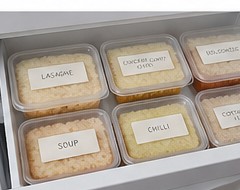
Batch-cooked meals labelled and stacked in the freezer
Prepare and freeze meals

Cook double portions in the weeks before surgery, label them clearly and freeze โ€” a stocked freezer is one of the simplest ways to make life easier at home.

Firm supportive armchair with side table
Step 5 ยท Living room

Arrange your living room

Create one comfortable recovery space where everything you need is within easy reach. A firm chair with arms is much easier to get out of than a low sofa.

  • Choose a firm chair with arms
  • Avoid very low sofas
  • Keep a small table beside the chair
  • Have a phone and charger within reach
  • Keep the TV remote nearby
  • Have water and medications close by

Try the chair before surgery โ€” you should be able to stand up from it without pulling on your knees.

Recovery station

Build your recovery station

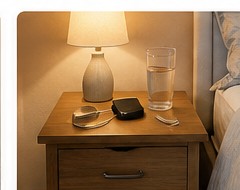
Everything within easy reach means fewer unnecessary trips around the house and a lower risk of falls. Keep it on a bedside table or beside your recovery chair.

Bedside recovery station with lamp, phone, water and essentials
Keep these within arm's reach

Nine essentials for your bedside table

๐Ÿ’ง
Water bottle
๐Ÿ’Š
Pain medication
๐Ÿ“ฑ
Phone
๐Ÿ”Œ
Charger
๐Ÿ“–
Exercise booklet
๐Ÿ“บ
TV remote
๐Ÿ‘“
Glasses
๐Ÿ“
Notebook
๐Ÿงป
Tissues
Neatly made bed at a comfortable height with bedside table
Step 6 ยท Bedroom

Prepare your bedroom

A well-prepared bedroom makes getting in and out of bed safer and helps you sleep more comfortably. A bed at a comfortable height โ€” around knee level โ€” is much easier.

  • Bed at a comfortable height
  • Clear route from bed to bathroom
  • Bedside lamp easy to reach
  • Phone and charger by the bed
  • Water bottle and medications ready
  • Extra pillows for support
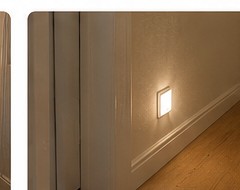
Plug-in night light providing soft light in a hallway
Good lighting matters

Add plug-in night lights along the route from your bedroom to the bathroom so you can see clearly during night visits.

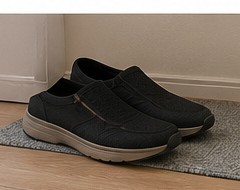
Supportive slip-on shoes with non-slip soles
Footwear

Wear supportive, non-slip shoes

Slippers with no back and worn soles are a leading cause of falls at home. Choose enclosed shoes with a firm sole, a supportive back and easy fastenings.

  • Slip-on style that doesn't need bending to fasten
  • Firm, non-slip sole
  • Supportive back โ€” avoid backless slippers
  • Roomy enough for any swelling
Helpful equipment

Equipment that can help

Your healthcare team will advise which equipment is appropriate for you. Most patients do not need every item.

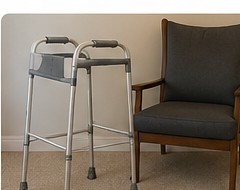
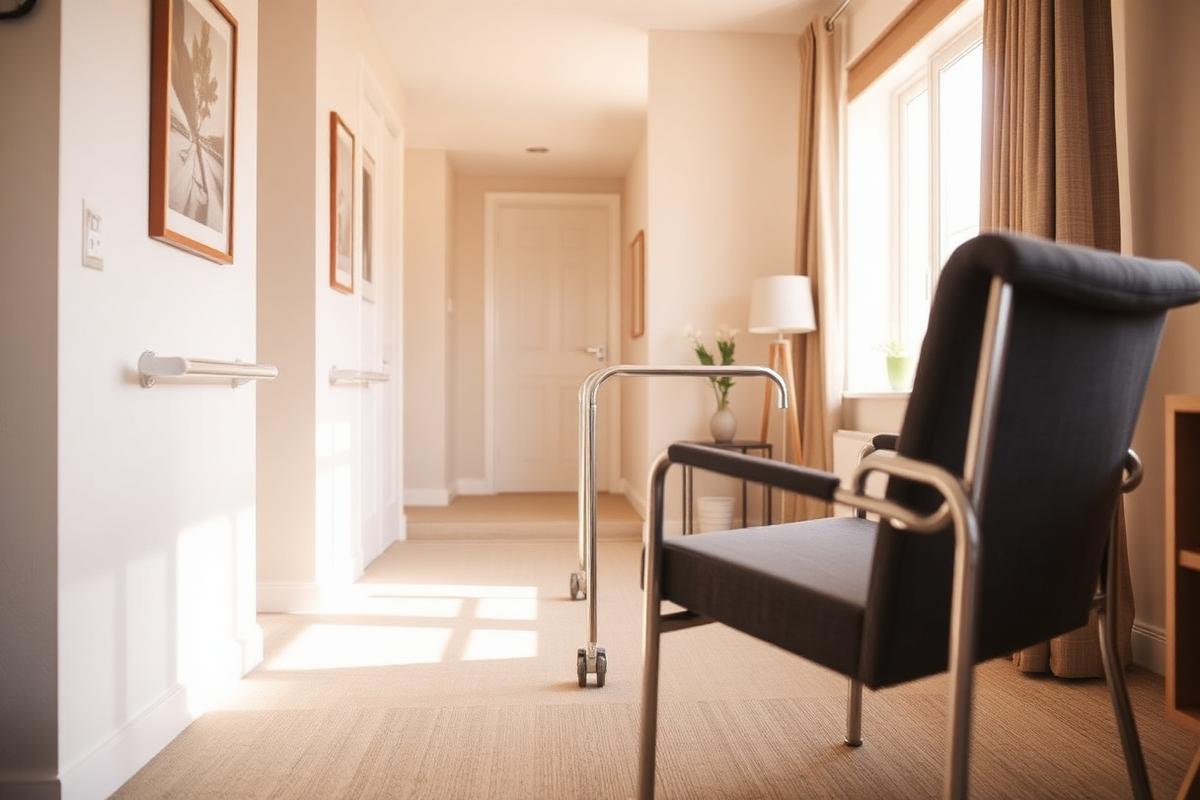
Rolling walker
Rolling walker
Walking stick
Walking stick
Raised toilet seat
Raised toilet seat
Shower chair
Shower chair
Grab rails
Grab rails
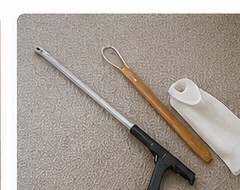
Long-handled shoe horn
Reaching aid
Reaching aid
Sock aid
Sock aid

Your healthcare team will advise which equipment is appropriate for you. Most patients do not need every item.

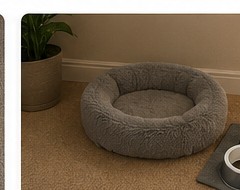
Neatly arranged pet bed and food bowls at floor level
Arrange help

Plan pet care and daily help

Most patients become independent quickly, but planning some help for the first week reduces stress and lets you focus on recovery. Pets in particular need some thought โ€” bending to feed or walk them can be difficult early on.

  • Someone to walk the dog
  • Raised food and water bowls
  • Pet bed away from walkways
  • Help with shopping
  • Help with laundry and bins
  • Someone staying the first night
Planning ahead

Your before-surgery checklist

Write down the important things, tick each item as you get ready, and let this list save automatically as you go.

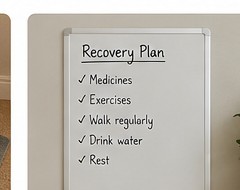
Small whiteboard with a written recovery plan and reminders

Write it down โ€” it makes it real

A visible list of medicines, exercises and daily reminders keeps you on track and helps whoever is supporting you know exactly what needs doing.

  • Meals prepared and freezer stocked
  • Trip hazards removed from walkways
  • Bathroom prepared with grab rails and mat
  • Firm chair with arms chosen
  • Recovery station set up beside the bed
  • Walking aid collected or ordered
  • Someone arranged to drive me home
  • Someone staying with me the first night
  • Regular medications ready to hand
  • Comfortable clothing and shoes prepared
  • Everyday items moved within easy reach
  • Phone, charger and important numbers ready
Watch out for

Common mistakes to avoid

Leaving rugs on the floor
Using low sofas or armless chairs
Keeping everyday items on high shelves
Trying to do housework too early
Rushing to answer the phone or door
Forgetting to arrange help in advance
Myths vs facts

Common myths, cleared up

Most patients go home within one or two days, and some go home the same day if they are medically fit and mobilising safely.

You're ready

A little preparation makes a big difference

Preparing your home before surgery is one of the simplest ways to make your recovery safer, easier and less stressful. By spending a little time getting organised now, you'll be able to focus on what matters most after your operation โ€” getting moving, regaining confidence and enjoying your new knee.

Practical tips

  • Move frequently-used items to waist height to avoid bending or reaching.
  • Stock the freezer with easy meals for the first two weeks.
  • Set up a recovery zone with a charger, water, medication and a phone within arm's reach.